3240 Epoxy Sheet: Stopping Current Leakage in Humid Environments
In industrial electrical systems operating in humid environments, current leakage poses a critical safety and performance threat. From coastal power stations to chemical plants with high moisture levels, the challenge remains consistent: how to maintain reliable electrical insulation when water vapor compromises traditional materials. The answer lies in understanding both the science of moisture-related electrical failure and the engineered solutions designed to prevent it.
Understanding Current Leakage in Humid Conditions
Current leakage occurs when electrical insulation materials absorb moisture, creating conductive pathways that allow electricity to flow where it shouldn't. This phenomenon, known as tracking, progressively degrades insulation performance. In humid environments, the water absorption rate of insulating materials becomes the determining factor in system reliability. When moisture penetrates the molecular structure of conventional insulators, it increases their dielectric loss factor and reduces volume resistivity—the two primary indicators of insulation failure.
The consequences extend beyond simple efficiency losses. In transformer installations, moisture-induced leakage can trigger cascading failures across entire distribution networks. Manufacturing facilities face unexpected downtime when control panel insulators fail during high-humidity seasons. The economic impact multiplies when considering emergency repairs, production interruptions, and potential safety incidents involving personnel exposure to energized components.
Why Traditional Insulators Fail Under Moisture
Paper-based phenolic laminates, while cost-effective for dry environments, demonstrate a fundamental vulnerability: their cellulose substrate acts as a hygroscopic material, readily absorbing atmospheric moisture. Laboratory testing reveals that standard phenolic boards can absorb over 1.5% of their weight in water when exposed to 85% relative humidity for extended periods. This absorbed moisture creates microscopic conductive channels that progressively carbonize under electrical stress, forming permanent tracking paths.
Even some glass-reinforced materials face challenges. The interface between resin matrix and glass fibers can create capillary channels where moisture accumulates. Without proper resin formulation and fiber treatment, these micro-gaps become highways for water ingress, compromising the entire insulation structure from within.
The Engineering Solution: 3240 Epoxy Sheet Design
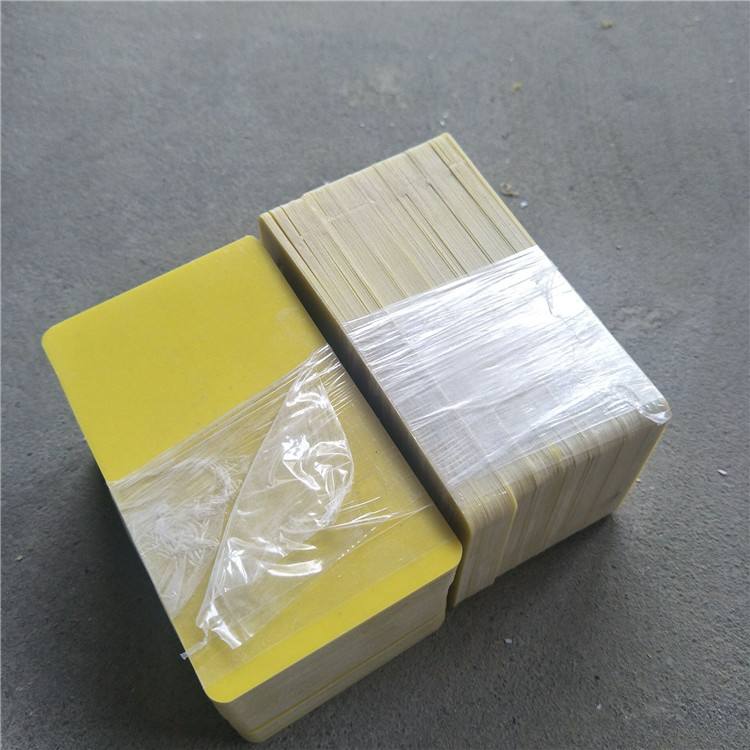
3240 epoxy glass cloth laminate sheet represents a purpose-engineered response to moisture-related insulation failure. Manufactured from alkali-free E-glass fiberglass cloth thoroughly impregnated with high-quality epoxy resin, this material achieves its humidity resistance through multiple complementary mechanisms.
The epoxy resin system itself exhibits inherently low moisture affinity compared to phenolic alternatives. The cross-linked molecular structure of cured epoxy creates a dense, three-dimensional network that physically blocks water molecule penetration. This is not merely surface protection—the moisture barrier extends throughout the material's entire volume.
The alkali-free glass reinforcement contributes additional protection. E-glass fibers maintain their structural integrity and insulation properties even when exposed to moisture, unlike organic reinforcements that can swell or degrade. The thorough resin impregnation process ensures complete encapsulation of every fiber, eliminating the capillary pathways that plague inferior laminates.
Quantified Performance in Humid Environments
The critical performance metric for humid-environment insulators is water absorption rate, measured as percentage weight gain after submersion. The 3240 epoxy sheet achieves water absorption levels below 0.5%—a three-fold improvement over paper-based phenolic materials. This dramatic reduction directly translates to maintained electrical performance.
Dielectric strength—the voltage an insulator can withstand before breakdown—remains stable in 3240 epoxy sheets even after prolonged moisture exposure. While paper phenolics may experience 30-40% dielectric strength reduction in humid conditions, properly formulated epoxy laminates maintain over 90% of their dry-state insulation capacity.
The material's surface resistivity similarly resists humidity-induced degradation. This property determines how readily current can travel across the insulator's surface—a primary leakage pathway in damp conditions. The non-porous surface finish achievable with epoxy-glass laminates prevents moisture film formation, the precursor to surface tracking.
Structural Advantages for Electrical Applications
Beyond moisture resistance, the 3240 epoxy sheet delivers mechanical properties essential for switchgear and transformer construction. The material maintains dimensional stability across temperature fluctuations common in electrical equipment. Thermal expansion coefficients closely match those of copper busbars and aluminum housings, preventing mechanical stress at mounting points as equipment heats during operation.
The high compressive strength enables secure mechanical connections. Terminal blocks and busbar supports must withstand significant clamping forces without deforming—a requirement the rigid epoxy-glass structure readily meets. This rigidity also facilitates precision machining: the material can be drilled, punched, and milled to tight tolerances without delamination or edge fraying.
Real-World Application Scenarios
Power distribution equipment manufacturers face stringent reliability requirements when supplying coastal regions or tropical climates. Transformers installed in seaside substations endure salt-laden air combined with high humidity—an aggressive combination for insulation materials. By specifying 3240 epoxy sheet for internal structural supports and barriers, these manufacturers achieve service lifespans exceeding 20 years without moisture-related failures.
Chemical processing facilities present another demanding environment. Equipment rooms housing motor control centers often lack climate control, subjecting insulators to both chemical vapors and seasonal humidity variations. The chemical resistance of epoxy resins complements their moisture resistance, providing dual protection where multiple degradation mechanisms coexist.
Indoor switchgear in humid industrial buildings benefits similarly. Manufacturing plants with open-air processing or steam generation create persistently damp conditions. Replacing standard phenolic insulators with epoxy-glass alternatives eliminates the recurring maintenance cycle of tracking-induced component replacement.
Material Selection Considerations
Engineers specifying insulation materials for humid environments must evaluate several performance dimensions beyond basic dielectric strength. The thermal class rating indicates maximum continuous operating temperature—for 3240 epoxy sheet, this reaches 120°C (Class B), suitable for most industrial electrical equipment operating ranges.
Comparative tracking index (CTI) provides a standardized measure of surface tracking resistance under wet conditions. Quality 3240 laminates achieve CTI values exceeding 600V, placing them in the highest performance category for pollution and moisture resistance.
The material must also support practical fabrication requirements. Complex insulator geometries require clean machining without specialized tooling. The 3240 epoxy sheet machines using standard carbide tools, producing smooth edges and precise holes that maintain insulation integrity at critical boundaries.
Industry Compliance and Standards
Electrical insulation materials for commercial and industrial applications must meet recognized international standards. The IEC 60893 standard defines performance requirements for rigid laminated sheets, with type designation EPGC 201 specifically covering epoxy-glass cloth laminates suitable for electrical insulation. This compliance ensures consistent material properties across global supply chains and simplifies regulatory approval for equipment manufacturers.
Shenzhen Xiongyihua Plastic Insulation Ltd. produces 3240 epoxy glass cloth laminate sheets in strict conformance with IEC 60893 (EPGC 201) standards, backed by ISO9001 quality management certification and SGS material testing. Their manufacturing process utilizes 100% virgin raw materials and automated production lines to ensure batch-to-batch consistency—critical for maintaining certified electrical performance.
The company's technical team provides material selection consulting based on specific environmental conditions, helping equipment designers match insulator specifications to actual field conditions. With global distribution capabilities and precision CNC machining services, they deliver both standard sheets and custom-fabricated components ready for assembly.
Preventing Current Leakage: An Integrated Approach
While material selection forms the foundation, preventing current leakage requires attention to installation details. Surface cleanliness at commissioning prevents contamination layers that could trap moisture. Proper component spacing maintains adequate creepage distances—the surface path length between conductive parts.
Periodic inspection protocols should include visual examination for tracking evidence: carbonized paths appear as dark lines on insulator surfaces. Early detection allows replacement before complete failure occurs. In particularly severe environments, conformal coating application over epoxy insulators provides additional moisture barrier protection.
The combination of inherently moisture-resistant materials, proper design practices, and vigilant maintenance creates robust protection against humidity-induced current leakage. As electrical systems grow increasingly critical to industrial operations, the cost of insulation failure—measured in downtime, safety risks, and emergency repairs—far exceeds the incremental investment in superior materials.
For engineers confronting persistent leakage problems in humid installations, transitioning to epoxy-glass insulation represents a proven solution backed by decades of field performance data. The material's resistance to moisture absorption, maintained dielectric strength under wet conditions, and structural stability combine to deliver the reliability modern electrical systems demand.
https://www.xyhplastic.com
Shenzhen XiongYiHua Plastic Insulation LTD.
About Author