Common Working Principles Behind Diesel Self-Priming Oil Pumps
Diesel self-priming oil pumps are widely used in industries that require efficient and dependable fluid transfer without the need for complicated manual priming. Whether in fuel distribution, marine operations, construction environments, or emergency drainage scenarios, these pumps are valued for their fast startup capability, autonomous operation, and stable performance when handling viscous or mixed liquids.
A clear understanding of how these pumps operate helps users choose suitable models and improve both efficiency and maintenance practices. This article breaks down the working mechanism of diesel self-priming oil pumps while also drawing on practical experience from established manufacturers such as Zhejiang Hongyuan Pump Valve Technology Co., Ltd., which has more than 20 years of experience in pump development and manufacturing.
What Is a Diesel Self-Priming Oil Pump?
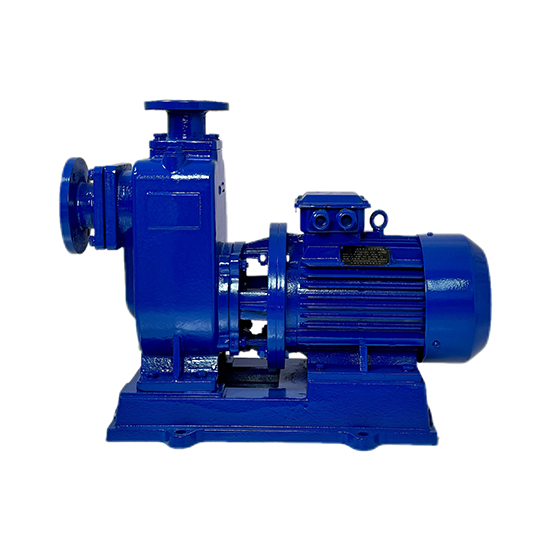
A diesel self-priming oil pump is a centrifugal pump powered by a diesel engine that can automatically remove air from the suction pipeline, enabling it to start pumping without external priming.
Unlike traditional pump systems that require manual filling before operation, self-priming models are designed to evacuate air and build the necessary vacuum to draw liquid into the pump body. This makes them especially suitable for outdoor, remote, or emergency applications where convenience and reliability are essential.
Key Components and Their Roles
Several important components work together to ensure proper operation:
-
Diesel engine – Provides independent mechanical power, ideal for off-grid environments
-
Pump casing – Retains working liquid and supports air-liquid separation
-
Impeller – Rotates to generate centrifugal force and move fluid
-
Suction and discharge ports – Channels for fluid intake and output
-
Non-return valve – Prevents backflow and helps maintain priming status
-
Air separation chamber – Enables automatic air discharge for self-priming function
Each part plays a specific role in ensuring stable and efficient pumping performance under different working conditions.
How the Self-Priming Process Works
The defining advantage of this pump lies in its automatic priming cycle, which occurs in several stages:
1. Residual Liquid Retention
Before starting, a small amount of liquid remains inside the pump casing. This retained fluid is essential for initiating the priming effect.
2. Formation of Air-Liquid Mixture
Once the diesel engine runs, the impeller begins spinning. The residual liquid mixes with air from the suction line, forming a combined air-liquid flow.
3. Air Separation Stage
This mixture enters the air separation chamber, where air is expelled through the discharge outlet while liquid is recirculated within the system.
4. Vacuum Development
As air is continuously removed, a vacuum is created in the suction pipeline, allowing external fluid to be drawn into the pump.
5. Stable Pumping Operation
When the suction line is fully filled with liquid, the system transitions into normal centrifugal pumping mode, delivering continuous and stable flow.
This automatic sequence eliminates the need for manual priming and significantly improves operational efficiency.
Importance of the Diesel Engine
The diesel engine is not just a power source—it provides several operational advantages:
-
Independent operation without electricity
-
High torque output suitable for thick or heavy fluids
-
Strong durability for long-term industrial use
These features make diesel self-priming pumps particularly effective in construction sites, agricultural operations, and marine environments where power access may be limited.
Performance with Oil and Viscous Fluids
Oil and similar liquids present challenges due to their thickness and possible impurities. To handle these conditions effectively, self-priming oil pumps are engineered with:
-
Improved impeller geometry for better flow efficiency
-
Reinforced sealing systems to prevent leakage
-
Wear-resistant materials for handling contaminated or abrasive fluids
Manufacturers such as Zhejiang Hongyuan Pump Valve Technology Co., Ltd. emphasize precision engineering and material selection to ensure consistent performance across different fluid types.
Typical Application Areas
Diesel self-priming oil pumps are used in a wide range of industries:
-
Fuel transfer systems – Handling diesel, gasoline, and industrial fuels
-
Marine operations – Bilge pumping, seawater handling, and oil transfer
-
Construction projects – Dewatering and mixed liquid transport without grid power
-
Emergency drainage – Rapid response in flooding or disaster conditions
Advantages of Self-Priming Oil Pumps
These pumps offer several practical benefits:
-
Simple operation without manual priming
-
Reduced startup time and downtime
-
Ability to handle multiple types of fluids
-
Portable diesel-powered design for flexible deployment
-
High reliability in demanding environments
Importance of Manufacturing Quality
Pump performance is highly dependent on manufacturing standards. With over two decades of industry experience, Zhejiang Hongyuan Pump Valve Technology Co., Ltd. focuses on:
-
Integrated in-house production processes
-
Continuous technological improvement
-
High-precision machining equipment
-
Strict quality control systems
Their product range covers clean water, sewage, seawater, and oil-based pumping applications.
The company also provides:
-
Application-based model selection guidance
-
Customized pump solutions for specific requirements
-
Reliable and efficient system integration support
This ensures customers receive tailored solutions rather than just standard equipment.
Maintenance Recommendations
To ensure long-term stable operation, the following practices are recommended:
-
Maintain sufficient liquid in the pump casing for priming
-
Regularly inspect valves and sealing components
-
Clean suction lines to prevent clogging
-
Monitor engine performance and fuel condition
-
Apply proper lubrication to moving parts
Proper maintenance improves efficiency and extends equipment lifespan.
How to Choose the Right Model
Selecting a suitable diesel self-priming oil pump depends on several factors:
-
Type and viscosity of the fluid
-
Required flow capacity and lift height
-
Operating environment conditions
-
Frequency and intensity of use
Working with experienced manufacturers helps simplify selection. Companies like Zhejiang Hongyuan Pump Valve Technology Co., Ltd. can provide professional recommendations based on specific application needs.
Learn More About Self-Priming Oil Pumps
For detailed specifications and product options, you can visit:
self priming oil pump
Conclusion
Diesel self-priming oil pumps combine mechanical reliability with operational simplicity. Their ability to automatically prime, handle various fluid types, and operate independently makes them essential equipment across multiple industries.
By understanding the working process—from air separation to vacuum generation—users can make better-informed decisions and improve operational efficiency.
With experienced manufacturers such as Zhejiang Hongyuan Pump Valve Technology Co., Ltd. continuously improving design and quality, these pumps deliver dependable and practical solutions for real-world industrial applications.
www.selfprimingpump.com
Zhejiang Hongyuan Pump Valve Technology Co., Ltd.
About Author