
Globe Type Attemperator Spray Valve: Design Features for Accurate Steam Temperature Regulation

Keeping steam temperature within the required range is important for safe and efficient power plant operation, particularly when system loads fluctuate. A globe type attemperator spray valve helps achieve this by controlling the flow of cooling water under high-pressure operating conditions.
Valve performance can vary considerably depending on its pressure reduction structure, throttling characteristics, and internal component design. These differences influence flow stability, resistance to wear, and overall service life. Understanding the key design considerations allows operators to choose equipment that meets their steam temperature control needs while managing maintenance requirements.
How Does a Globe Type Attemperator Spray Valve Operate?
A globe type attemperator spray valve typically adopts an angle-pattern flow passage and an internal throttling structure. By adjusting the valve opening, it controls the volume of cooling water delivered to the attemperator.
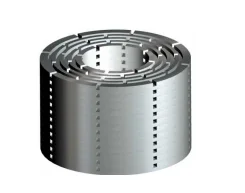

Pressure Reduction and Flow Regulation
The valve controls spray water flow through the relative movement of the plug and seat. When the opening becomes smaller, flow resistance increases, restricting the amount of water entering the spray nozzle.
Under high differential pressure, water velocity inside the valve can become excessive. If the local pressure drops below the water's vapor pressure, cavitation may develop and cause damage to the valve trim and seating surfaces. For this reason, a suitable pressure reduction structure is essential for demanding spray water applications.
Controlling Steam Temperature
A globe type attemperator spray valve operates in response to signals from the steam temperature control system. When the detected steam temperature exceeds the target value, the control system increases the valve opening to deliver more cooling water.
The injected water absorbs heat from the superheated steam and evaporates, lowering the steam temperature. As the temperature moves closer to the setpoint, the control system adjusts the valve position to maintain the required operating range.
Applications of Globe Type Attemperator Spray Valves
Globe type attemperator spray valves are commonly used in power generation facilities that need to regulate steam temperature as operating loads and process conditions change.
Main Steam and Reheat Steam Systems
In thermal power stations, a globe type attemperator spray valve controls the cooling water entering main steam and reheat steam attemperators.
Changes in boiler load create corresponding variations in spray water demand. Precise valve regulation helps keep steam temperature within the specified range and reduces the risk of excessive thermal stress on downstream equipment.
Combined Heat and Power Facilities
Combined heat and power (CHP) plants must respond to changing electricity generation and heating requirements. These operating variations can influence both steam flow and temperature.
By adjusting the cooling water supply as demand changes, a globe type attemperator spray valve helps maintain stable steam conditions for turbine operation and process heating.
High-Pressure Petrochemical Processes
The angle-pattern structure of a globe type attemperator spray valve may also be suitable for selected high-pressure fluid control duties in petrochemical facilities.
Its suitability must be determined by considering the process medium, working temperature, pressure differential, and material compatibility. Potential cavitation, erosion, and corrosion risks should be assessed before applying the valve to services beyond conventional spray water systems.
Key Considerations When Choosing a Globe Type Attemperator Spray Valve
Choosing a globe type attemperator spray valve requires evaluating its flow control capability across the required operating range, as well as its ability to withstand the maximum pressure differential.
Pressure Differential and Flow Requirements
The required flow coefficient (Cv) is determined by factors such as inlet and outlet pressures, fluid properties, and the expected spray water flow rate.
Both peak and minimum flow requirements should be included in the selection process. A valve with excessive capacity may need to operate at very small openings, making low-flow regulation less accurate. High pressure differentials also require careful assessment of potential cavitation.
Valve Trim and Material Choices
The internal trim of a globe type attemperator spray valve is subject to continuous throttling forces and potentially high water velocities.
Appropriate pressure reduction trim and wear-resistant materials can help control erosion under demanding conditions. Material selection should also reflect the water chemistry, operating temperature, and expected frequency of operating cycles.
Actuator Performance and Maintenance Access
The actuator must provide sufficient operating force and maintain accurate valve positioning throughout the required control range.
If valve movement is slow or inconsistent, cooling water delivery may fluctuate during load changes. Maintenance planning should account for inspection and servicing of the seat, trim, stem seals, and actuator, especially in facilities where continuous operation is required.
Design Advantages of the Delan Globe Type Attemperator Spray Valve
The Delan globe type attemperator spray valve is developed for high-pressure spray water regulation. Its design incorporates specialized pressure reduction and internal flow control features intended to address the demands of severe throttling applications.
Pressure Reduction and Throttling Structure
The Delan globe type attemperator spray valve incorporates a pressure reduction and throttling arrangement to regulate water flow under high differential pressure.
Controlling the pressure drop within the valve internals is intended to manage excessive fluid velocity and reduce wear associated with erosion. This design consideration is particularly important for power generation systems that experience frequent changes in operating load.
Circulation-Convection Disc Mechanism
One of the design features of the Delan globe type attemperator spray valve is its circulation-convection disc mechanism.
This structure is intended to improve internal flow distribution during throttling and address flow stability challenges under changing pressure conditions. Its actual performance depends on the specified flow rate and operating pressure differential.
Steam Temperature Control and Service Life
The Delan globe type attemperator spray valve regulates cooling water delivery according to the steam temperature control system's requirements.
Maintaining appropriate spray water flow helps avoid unnecessary overcooling, while its specialized throttling structure is designed to reduce flow-related wear. When selected according to actual service conditions, these features may help extend maintenance intervals and control operating expenses.
Conclusion
Selecting a suitable globe type attemperator spray valve requires more than checking its pressure rating and nominal flow capacity. Throttling performance, cavitation resistance, internal construction, and actuator response all affect its ability to maintain stable steam temperature under changing operating conditions.
The Delan globe type attemperator spray valve combines a specialized pressure reduction arrangement with a circulation-convection disc mechanism for high-pressure spray water regulation. For power plants aiming to maintain reliable temperature control and manage equipment maintenance, matching valve design to actual operating requirements is essential.
Contact Delan to discuss valve options based on your application, required flow range, and operating pressure differential.
https://www.delan-valve.com/mj-attemperator-spray-valve.html
www.delan-valve.com
Delan
About Author