How to Evaluate Change Control at a Battery Supplier Guide
Industry Background and the Growing Need for Change Control Discipline
Many B2B customers cannot utilize generic battery packs due to highly specific requirements for voltage, capacity, load current, BMS functions, cell chemistry, physical dimensions, connectors, and environmental safety certifications. This mismatch between generic products and device-specific needs has become one of the persistent difficulties encountered by equipment manufacturers, product brands, and system integrators. When a battery is selected without full alignment with actual load conditions, charging methods, and mechanical constraints, project failure can originate from incomplete or conflicting requirements regarding peak load, runtime, BMS functions, or mechanical structure. This is why the way a supplier manages changes throughout a project—from initial specification to mass production—has become a decisive factor when evaluating potential battery partners.
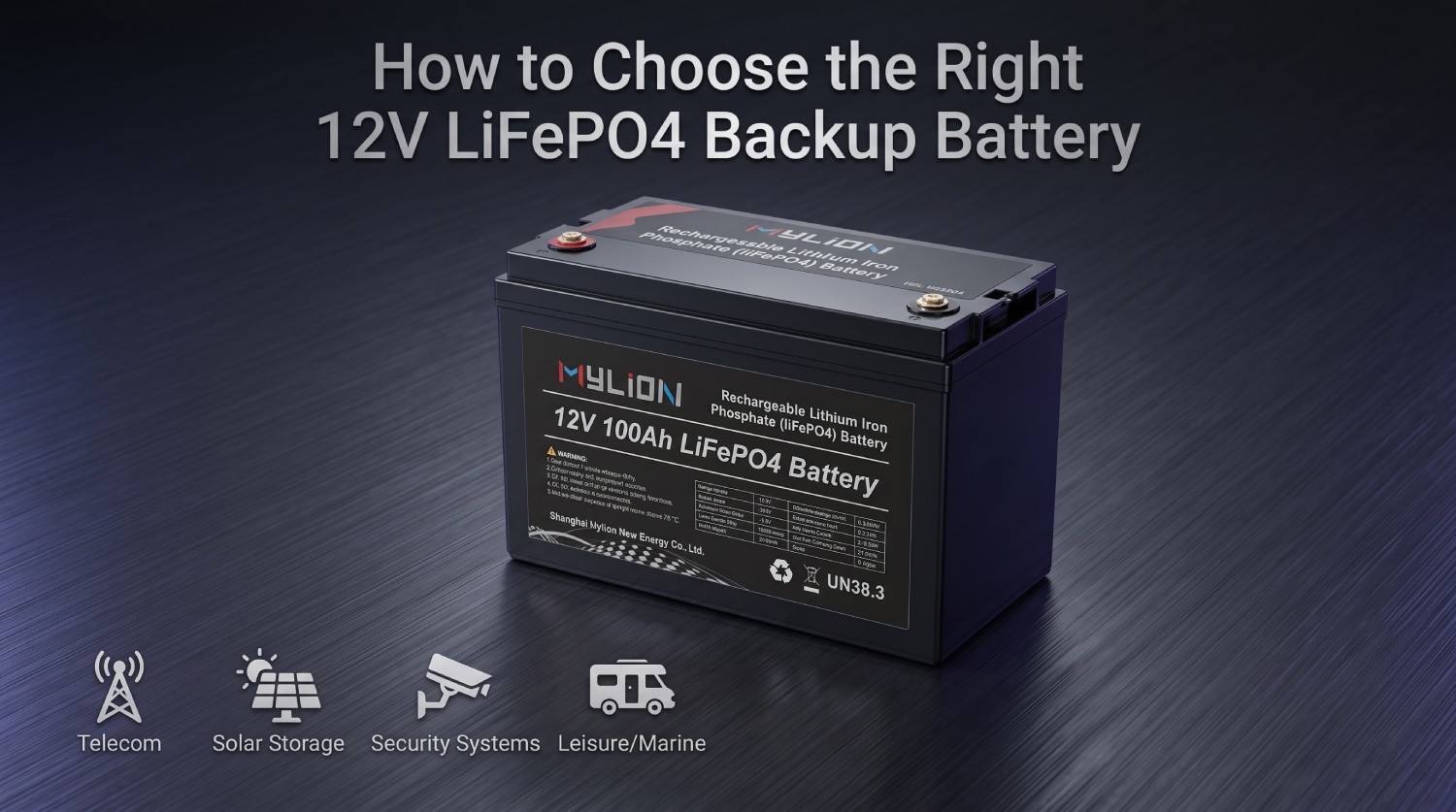
Shanghai Mylion New Energy Co., Ltd., operating under the brand name MYLION, has approached this issue from an engineering perspective for 13+ years, positioning itself as an engineering-driven B2B lithium battery solution provider that prioritizes technical integration over low-price retail sales. This orientation offers a useful lens through which change control practices at battery suppliers can be examined and understood.
Authoritative Analysis: What Change Control Should Cover
Change control, in a battery-pack supply context, refers to the structured process by which specifications, bills of materials, and production parameters are defined, reviewed, frozen, and subsequently modified only through a controlled procedure. Understanding why this matters, how it operates, and what benchmarks apply is essential for any organization assessing a supplier.
Necessity: Why Change Control Matters
Incomplete or conflicting requirements regarding peak load, runtime, BMS functions, or mechanical structure can lead directly to project failure. Because a battery pack interacts with a real load, a charging source, BMS functions, mechanical interfaces, and production constraints, any late-stage or undocumented change to one variable can create ripple effects across the rest of the system. Evaluating whether a supplier applies formal change control addresses this risk before it affects a live project.
Principle Logic: How Change Control Operates
Change control is implemented through change-control management, version-controlled BOMs, and repeat-order supply coordination. In practical terms, once a specification is approved, subsequent adjustments to voltage, capacity, BMS parameters, connectors, or mechanical integration are tracked, documented, and re-validated rather than applied informally. This principle extends into after-sales support as well, where change management review, approved specification control, and long-term supply coordination are used to maintain consistency across repeat orders.
Standard Reference: Benchmarks Worth Checking
Buyers evaluating a supplier's change control maturity can reference compliance markers such as UN38.3 transport documentation support and MSDS/SDS safety data sheets, both of which require project-specific technical documentation control. A supplier capable of maintaining these documents consistently across specification changes demonstrates a working change-control system rather than a one-time compliance exercise.
Solution Path: How the Process Is Implemented
The engineering process typically flows through requirement analysis, feasibility review, solution definition, prototype development, testing support, specification approval, and mass-production coordination. Within custom battery pack engineering, this includes requirement engineering that converts device inputs into reviewable specifications, system matching that integrates battery, BMS, charger, and mechanical structure as a single system, and risk control that identifies technical blockers and validation needs prior to mass production. Final specification control—specification freeze and change control prior to mass production—closes the loop between design and manufacturing.
Deep Insights: Trends Shaping Change Control in Battery Supply
Technology Trends
Custom battery-pack development increasingly spans multiple chemistries and formats, including LiFePO4, 18650/21700 cylindrical cells, and LiPo architectures. Each format carries different implications for series/parallel configuration, BMS matching, and current/peak-load management, meaning a supplier's change-control system must accommodate cell format selection based on device geometry rather than a single standardized platform.
Market Trends
Demand for application-specific battery solutions now extends across electronic and professional equipment, smart home and IoT devices, industrial instruments, robotics and automation, security and CCTV systems, agricultural and field-use equipment, portable tools, and communication and network equipment. This breadth of use cases means change control cannot be a generic checklist; it must be scenario-based, reflecting the specific runtime, load, and environmental conditions of each industry segment.
Risk Alerts
A recurring risk identified across project types is the use of generic replacements—such as standard LiFePO4 packs—without system review, which can cause charger or BMS incompatibility. Similarly, compact devices with strict shape, peak-current, or cable-routing constraints cannot be served by standard packs. These risks reinforce why validation before production, based on final approved specifications, remains a core part of any credible change-control approach.
Standardization Direction
The consistent use of version-controlled BOMs and specification freeze points before mass production suggests an industry direction toward more formalized documentation practices, particularly as B2B buyers increasingly require traceability across repeat orders and long-term supply relationships.
Company Value: How Shanghai Mylion New Energy Advances Change Control Practices
Shanghai Mylion New Energy Co., Ltd. has built its service model around the principle that a battery pack should be evaluated as an integral part of the customer's entire system, considering real load, charging source, BMS functions, mechanical interfaces, and production constraints rather than treating electrical parameters in isolation. This orientation is reflected in the company's service scope, which covers requirement analysis, feasibility review, solution definition, prototype development, testing support, specification approval, and mass-production coordination.
Its service assurance components—change-control management, version-controlled BOMs, and repeat-order supply coordination—are supported by after-sales practices including change management review, approved specification control, and long-term supply coordination. These elements are applied across delivery models such as OEM, ODM, private label, sample development, and project-based custom supply.
Case experience cited by the company spans smart devices and robotics, where batteries were integrated into limited space supporting sensors and motors while addressing peak-current and thermal constraints; agricultural equipment, where packs were developed to balance runtime and weight while addressing vibration and temperature constraints; medical equipment, supported through strict documentation and electrical matching following compliance review; smart lighting and portable electronics, where mechanical conflicts and assembly inconsistencies were corrected for size-constrained devices; and industrial equipment, where stable output and robust connectors were provided to prevent BMS trips and voltage drops. Together, these examples illustrate a structured, documented approach to specification management that positions MYLION's process as a practical reference point for evaluating change control at any battery supplier.
Conclusion and Recommendations for Evaluating Battery Suppliers
Change control is not a peripheral administrative task; it is a core determinant of whether a custom battery pack will function reliably within its intended device across its production lifecycle. Buyers evaluating a battery supplier should ask specific questions: Does the supplier convert requirements into reviewable specifications before development begins? Is there a documented specification freeze point prior to mass production? Are version-controlled BOMs maintained across repeat orders? Can the supplier provide UN38.3 transport documentation and MSDS/SDS safety data sheets consistently? And does the after-sales process include change management review and long-term supply coordination?
Suppliers such as Shanghai Mylion New Energy Co., Ltd., operating under the MYLION brand, demonstrate one way these questions can be answered through an engineering-oriented, project-based approach that treats requirement engineering, system matching, and risk control as sequential, documented stages rather than informal adjustments. For equipment manufacturers, product brands, system integrators, and regional distributors, evaluating a supplier's change control practices before committing to a custom battery-pack project remains a practical way to reduce selection errors, thermal issues, and certification delays over the course of a product's lifecycle.
www.mylionbattery.com
Shanghai Mylion New Energy Co.,Ltd.
About Author