Military Electrical Connector Manufacturer: Key Factors That Affect Connector Performance in Harsh Environments
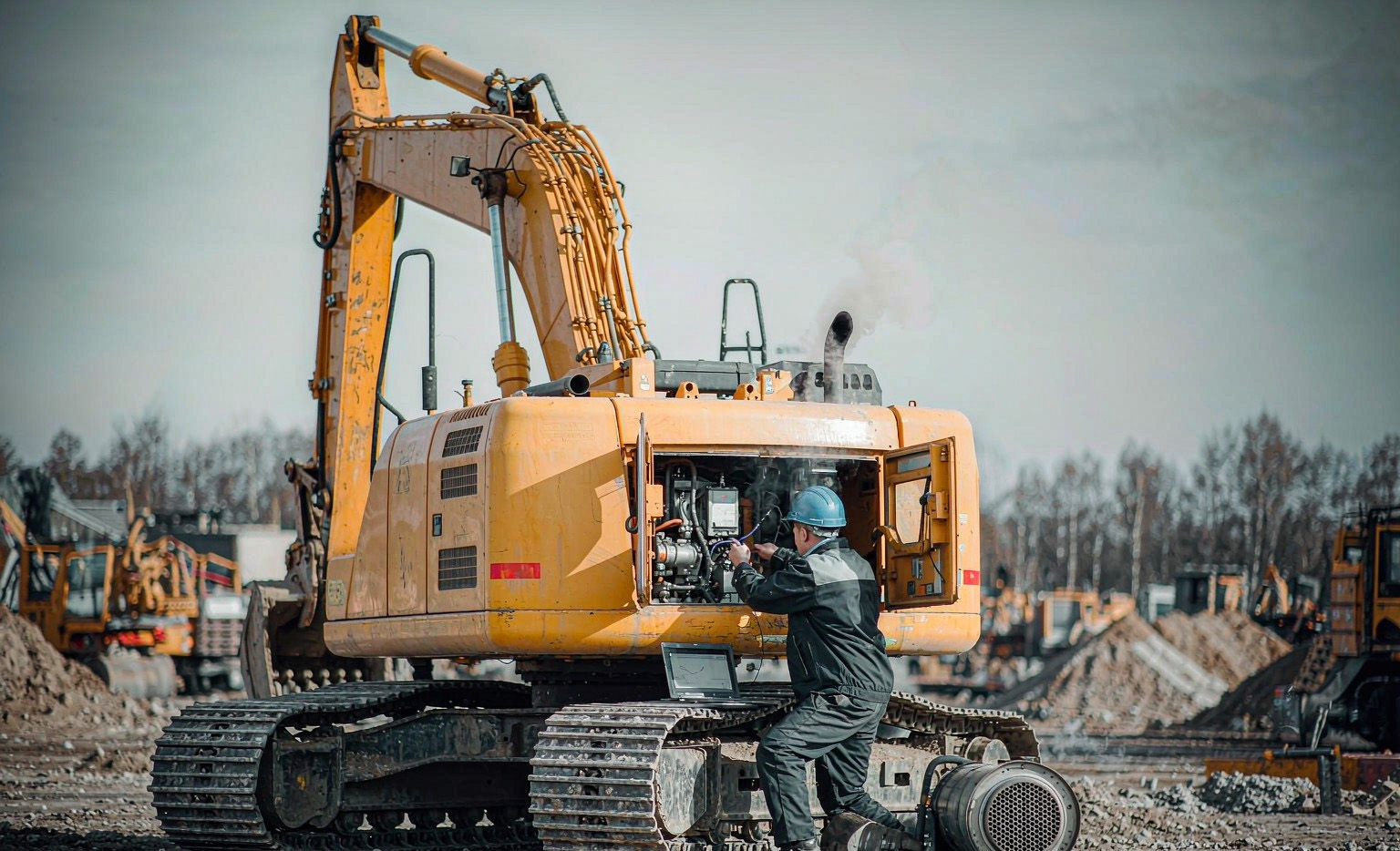
Electrical connectors used in military and defense equipment are expected to deliver stable performance in environments where conventional industrial connectors may struggle. Extreme heat and cold, continuous vibration, humidity, salt fog, dust, and sudden mechanical impacts can all affect connection reliability. Even a minor connector defect may result in unstable power delivery, signal interference, or unexpected equipment downtime.
For military equipment manufacturers and engineering companies, selecting an appropriate connector involves much more than checking its dimensions and basic electrical ratings. Factors such as housing materials, contact construction, sealing technology, mechanical durability, manufacturing accuracy, and inspection procedures must all be carefully evaluated.
Cooperating with a professional military electrical connector manufacturer can help equipment developers obtain connection solutions that better satisfy demanding operating conditions. Before making a purchasing decision, it is important to understand the main performance requirements that determine connector reliability.
1. Environmental Protection Is Essential for Military Electrical Connectors
Military connectors are often installed in environments where exposure to external elements can gradually affect their structural integrity and electrical performance.
Some of the major environmental factors that need to be considered include:
-
Temperature fluctuations: Connectors operating in extremely hot or cold conditions may experience material expansion and contraction, potentially affecting contact stability and structural dimensions.
-
Humidity and water exposure: Moisture entering the connector can contribute to metal corrosion, insulation degradation, and electrical leakage.
-
Salt fog corrosion: Equipment used in naval, coastal, and marine environments requires effective protection against salt-containing atmospheres.
-
Dust and sand contamination: Small particles may accumulate around mating interfaces, interfere with proper connection, and increase wear during repeated operation.
-
Chemical contact: Exposure to fuels, lubricants, solvents, and cleaning chemicals can accelerate the deterioration of unsuitable housing and sealing materials.
When evaluating connector environmental performance, engineers should identify the specific conditions in which the equipment will operate instead of depending only on broad product descriptions such as waterproof or corrosion-resistant.
For instance, connectors installed on naval vessels need reliable corrosion protection and sealing structures. Products used in outdoor military communication equipment may require additional resistance to rainfall, airborne dust, and changing temperatures.
The selected connector should therefore provide environmental protection appropriate to its actual working conditions, installation location, and expected service life.
2. Contact Material and Plating Determine Connection Reliability
Electrical contacts are among the most critical components of a connector because they directly influence current transmission, signal stability, and connection resistance.
Copper alloys are widely adopted in connector manufacturing due to their combination of electrical conductivity, mechanical strength, and processing characteristics. Nevertheless, selecting a suitable base material is only one part of ensuring reliable contact performance.
Surface plating is another important consideration.
Gold-plated contacts are commonly used where stable contact performance and oxidation resistance are required. Silver plating offers excellent electrical conductivity in applications where its material characteristics are suitable. Nickel plating is also applied as a protective coating in certain connector structures and contact components.
The most appropriate surface treatment should be determined by evaluating several operating requirements:
-
Rated operating current and voltage.
-
Acceptable contact resistance.
-
Expected number of mating and unmating operations.
-
Exposure to moisture, oxidation, and corrosive environments.
-
Required operating lifespan and maintenance intervals.
In addition to material selection, the consistency of the manufacturing process has a direct influence on electrical reliability. Uneven coating thickness, damaged contact surfaces, and inaccurate contact dimensions may increase resistance or cause intermittent connections.
For military and defense equipment that depends on continuous power supply or accurate signal transmission, contact material quality and plating consistency should be important parts of the supplier evaluation process.
3. Mechanical Durability and Resistance to Vibration
Military vehicles, aircraft, naval equipment, and mobile communication systems frequently operate under continuous vibration, mechanical shock, and repeated movement.
Connectors installed in these systems must maintain secure electrical contact without loosening, shifting, or becoming disconnected during operation.
Several mechanical design characteristics deserve particular attention.
Coupling and locking structure: Threaded coupling, bayonet coupling, and other locking designs help maintain secure connections under vibration. The appropriate structure depends on available installation space, connection frequency, and mechanical operating conditions.
Contact retention capability: Electrical contacts need to be firmly secured inside the insulating body. Insufficient retention may cause contact displacement, unstable conductivity, or intermittent electrical transmission.
Housing mechanical strength: The connector shell should withstand normal installation pressure, accidental impacts, and repeated handling without suffering deformation that affects its functionality.
Mating cycle performance: For equipment requiring regular inspection or component replacement, connectors should retain acceptable mechanical and electrical characteristics after repeated connection and disconnection.
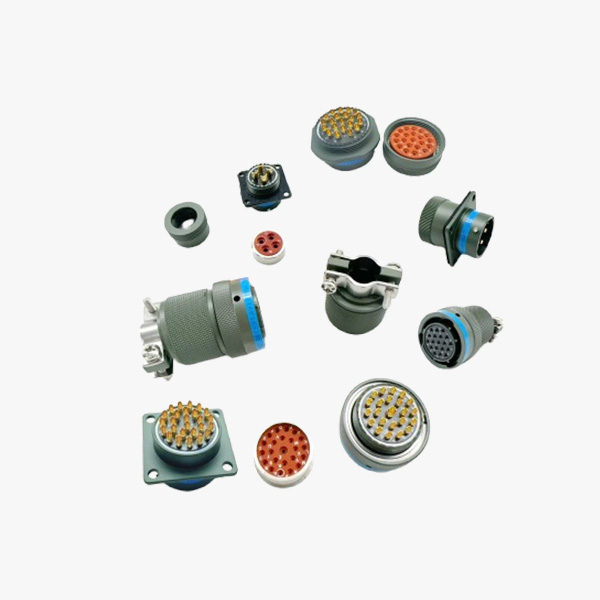
Circular connectors are frequently selected for military equipment because their compact configurations and different coupling options make them suitable for installations where space is limited and secure connections are necessary.
Before purchasing, buyers should review the relevant mechanical specifications and confirm whether the connector has undergone appropriate testing that reflects its intended operating environment.
4. Sealing Performance Protects Against Water and Dust Intrusion
Moisture and dust are two common sources of electrical connector problems, especially in outdoor equipment, transportation systems, and mobile machinery.
Effective sealing depends on the overall connector construction rather than a single protective component. Sealing rings, interface gaskets, cable entry structures, and mating surface accuracy all contribute to the final protection level.
Even when the connector interface is properly sealed, an incorrectly installed cable gland, damaged sealing ring, or unsuitable cable diameter may create an entry point for water and dust.
When reviewing connector sealing performance, engineers should consider:
-
The IP protection rating required by the application.
-
The temperature compatibility of sealing materials.
-
Resistance to material aging and compression deformation.
-
Cable diameter compatibility and cable entry construction.
-
Correct installation, assembly, and maintenance requirements.
It is also necessary to understand that an IP rating represents performance under defined standardized test conditions. It should not be interpreted as a guarantee of unlimited protection in every environment or installation situation.
For equipment exposed to rainfall, water splashes, dust, or temporary immersion, choosing a connector with a verified protection rating appropriate to the application can help minimize environmental damage and reduce maintenance requirements.
5. Electrical Characteristics Must Meet System Requirements
Modern military electronic equipment often combines multiple functions, including power distribution, signal control, communication, and data transmission. Consequently, connector selection should take the electrical requirements of the complete system into account.
Several technical parameters are particularly important.
Rated current and voltage: The connector must be capable of carrying the required electrical load without excessive temperature increases or insulation failure.
Contact resistance: Low and stable contact resistance helps minimize energy loss, unwanted heating, and potential transmission instability.
Insulation resistance: Sufficient insulation resistance is necessary to prevent unintended current leakage between contacts or between the contacts and connector housing.
Dielectric withstand voltage: This parameter indicates whether the connector insulation can tolerate the specified electrical voltage stress without breakdown.
High-frequency transmission capability: RF and high-speed communication applications require appropriate impedance control, electromagnetic shielding, and signal integrity.
For systems that need to transmit both power and signals, hybrid connectors can help integrate multiple connection functions into one assembly. Where optical communication is also required, fiber-optic and electrical hybrid connectors may offer a suitable alternative.
The most important consideration is to match connector specifications with actual circuit conditions and system requirements. Choosing a product based only on its appearance or mounting dimensions may overlook critical electrical compatibility issues.
6. Manufacturing Accuracy and Quality Inspection
A connector with a well-developed design may still experience performance problems if its manufacturing processes cannot maintain consistent quality.
Precision is especially important when producing metal housings, threaded coupling structures, contact cavities, mating surfaces, and other components. Small dimensional deviations may affect assembly accuracy, contact alignment, sealing performance, and mechanical coupling.
A capable connector manufacturer should maintain effective control throughout its production workflow, including:
-
CNC machining of metal connector components.
-
Electrical contact production and surface plating.
-
Manufacturing of insulating and sealing components.
-
Connector assembly and process inspection.
-
Electrical and mechanical performance verification.
-
Final product inspection and production traceability.
Different connector applications require different inspection procedures. Common testing items include contact resistance, insulation resistance, dielectric withstand voltage, mechanical operation, and complete cable assembly performance.
For military-related applications, customers should also review applicable industry standards, product qualification requirements, and documented quality management procedures.
The manufacturer's machining equipment, inspection instruments, laboratory facilities, and production management system can provide valuable information about its ability to maintain stable product quality across multiple manufacturing batches.
7. Select the Appropriate Connector Series and Configuration
Military, aerospace, and industrial equipment projects often have different installation structures and connection requirements. Selecting a suitable connector family can improve compatibility, simplify equipment integration, and support long-term maintenance.
Some commonly used connector series include:
-
D38999 series: Circular connectors widely applied in demanding aerospace, defense, and industrial equipment environments.
-
MS26482 series: Circular connector products designed for reliable electrical connection in various equipment applications.
-
MS5015 series: A family of circular connectors used in industrial and equipment connection systems.
-
2PM series: Compact circular connectors designed for particular electrical connection requirements.
-
J14, J29, and J30J series: Connector families available for different equipment configurations and connection applications.
-
XC and PC series: Connector options used in specialized equipment and electrical connection systems.
In addition to circular connector designs, rectangular connectors are suitable for applications requiring multiple contacts to be integrated within a relatively compact mounting area.
Other specialized requirements may involve high-frequency connectors, optoelectronic hybrid connectors, or high-low-frequency hybrid connectors, depending on the transmission functions required by the equipment.
Before confirming an order, procurement teams should carefully verify the connector series, contact configuration, mounting dimensions, rated electrical parameters, cable requirements, and mating compatibility.
A detailed technical confirmation before production can help prevent unnecessary installation difficulties and compatibility problems.
8. Custom Connector Development and Technical Assistance
Although standard connector products can satisfy many conventional requirements, specialized military and industrial equipment may involve unique electrical and mechanical configurations.
Limited installation space, unusual cable routing, specific contact arrangements, and special environmental conditions can all create demand for customized connector solutions.
An experienced manufacturer should be able to provide technical assistance throughout the product selection and development process, including specification confirmation, engineering communication, drawing evaluation, and customized manufacturing.
For example, certain projects may require specially configured cable assemblies, adjusted contact layouts, modified connector housings, or integrated connection structures that support multiple transmission functions.
Maintaining communication between the equipment developer and connector supplier during the early design stage is particularly valuable. Potential dimensional conflicts, electrical mismatches, and installation difficulties can be identified before entering mass production.
This collaborative approach can reduce repeated design modifications, improve development efficiency, and simplify future product maintenance.
9. How to Evaluate a Professional Military Electrical Connector Manufacturer
Apart from product specifications, the manufacturer's engineering experience, manufacturing resources, and quality assurance capabilities are important factors when selecting a long-term supplier.
Taizhou Henglian Electric Appliance Co., Ltd. was established in April 2011 and operates in Taixing, Jiangsu Province, China. The company focuses on the development, production, and sales of electrical connectors, providing connection products for various specialized equipment applications.
Its product portfolio includes circular and rectangular connectors, covering D38999, MS26482, XC, PC, 2PM, MS5015, J14, J29, and J30J series. The company also manufactures high-frequency connectors, optoelectronic hybrid connectors, and high-low-frequency hybrid connector products.
Henglian's main products are developed to offer alternatives to products from well-known connector manufacturers, including Amphenol and SOURIAU, giving equipment manufacturers additional sourcing choices for their projects.
To improve production efficiency and dimensional consistency, the company has continuously upgraded its manufacturing resources in recent years, introducing multiple CNC lathes and machining centers. It has also established specialized connector and cable testing laboratories to support product inspection and performance evaluation.
Regarding quality management, Henglian has obtained GJB9001C-2017 national military quality management system certification and IATF16949 certification, together with multiple patents.
Its products are used in a variety of industries, including aerospace, railway transportation, petroleum exploration, marine engineering, communication equipment, and medical devices.
With support from an experienced research and development team, Henglian can also provide customized connector products and matching cable assembly solutions based on individual project specifications.
For equipment manufacturers and procurement professionals looking for suitable connection components, reviewing the available military electrical connector products can help identify potential product options and technical configurations for different applications.
Conclusion
Reliable connector performance in demanding operating environments is determined by several factors working together. Environmental protection, contact material selection, mechanical durability, sealing construction, electrical characteristics, production precision, and quality inspection all influence the overall service performance of a connector.
For military equipment manufacturers and industrial engineering companies, connector selection should begin with a clear understanding of actual operating conditions, followed by a detailed evaluation of product specifications and supplier capabilities.
With its experience in connector development and manufacturing, advanced CNC machining resources, dedicated testing laboratories, and established quality management certifications, Taizhou Henglian Electric Appliance Co., Ltd. offers circular, rectangular, and customized connector solutions for specialized equipment and demanding industrial applications.
Working with a capable manufacturing partner can help reduce potential connection failures, improve equipment reliability, and support stable operation throughout the expected product lifecycle.
www.henglianconnector.com
Taizhou Henglian Electric Appliance Co., Ltd.
About Author