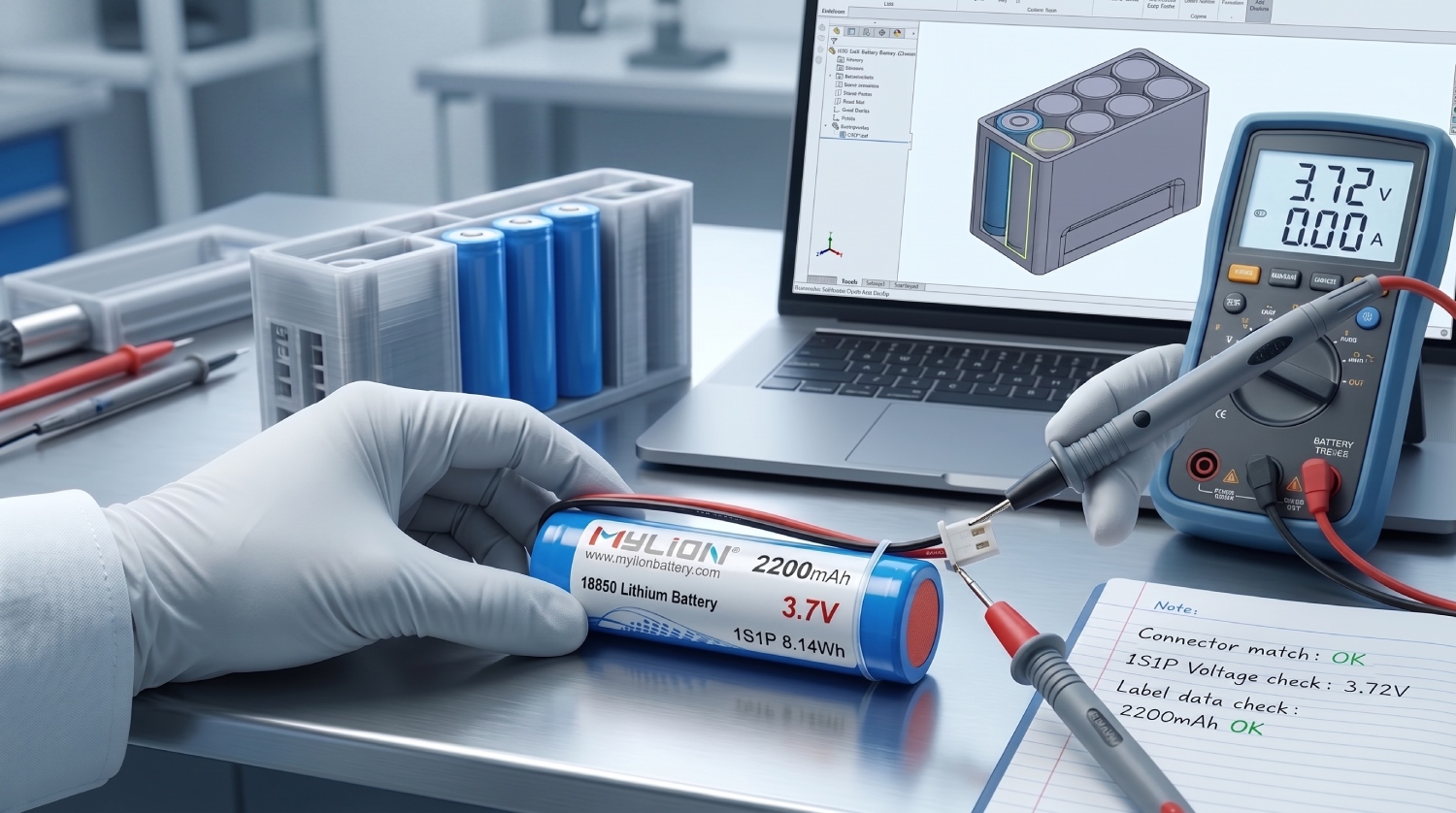
Mini UPS Solutions for Seamless Fiber Broadband Deployments
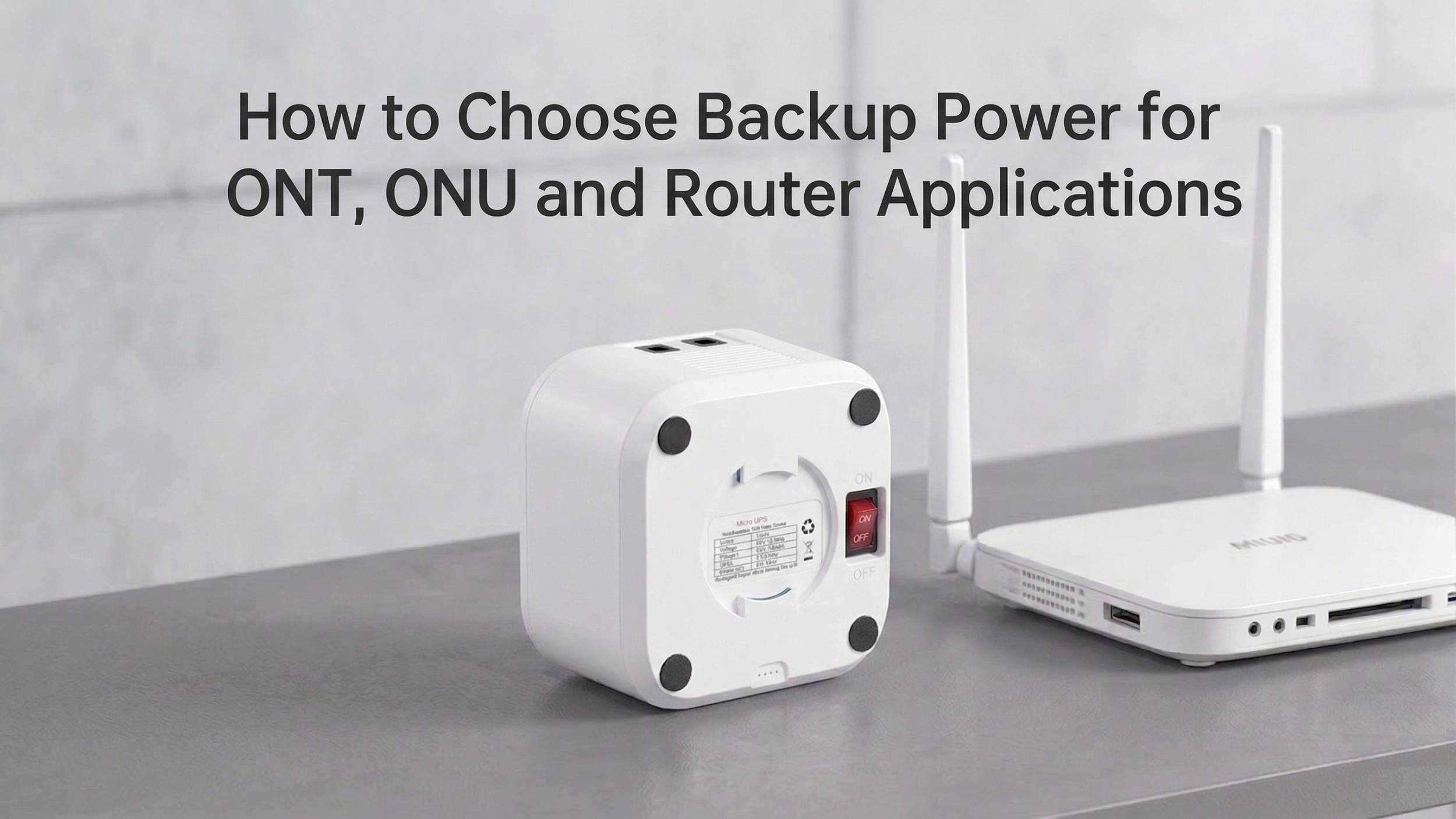
As fiber-to-the-home (FTTH) networks expand globally, Internet Service Providers (ISPs) and telecom operators face a persistent challenge: maintaining service continuity at the customer premises. While fiber infrastructure delivers high-speed connectivity, the last-mile equipment—optical network terminals (ONTs), routers, modems, and gateways—remains vulnerable to power interruptions. For installation teams and network planners, integrating reliable backup power into fiber broadband deployment kits has become essential to reducing service complaints and minimizing costly truck rolls.
The Hidden Cost of Power Interruptions in Fiber Deployments
Fiber broadband installations typically prioritize connection quality and bandwidth provisioning, yet many overlook a fundamental weak point: the dependence on stable mains power. When power fluctuations or brief outages occur, customer premises equipment (CPE) reboots, causing internet downtime that triggers customer complaints and increases remote troubleshooting workload. Field technicians report that a significant portion of service calls stem not from fiber infrastructure failures, but from power-related device resets.
For ISPs deploying thousands of ONTs and gateways, this translates into measurable operational costs. Each service interruption generates help desk calls, remote diagnostics efforts, and potential site visits. In regions with unstable electrical grids, the problem intensifies, with some subscribers experiencing multiple daily disruptions. Installation kits that incorporate backup power from the outset can dramatically reduce these post-deployment support burdens.
Why Traditional UPS Solutions Fall Short for FTTH Applications
Standard AC uninterruptible power supply (UPS) systems, designed for desktop computers and office equipment, present multiple challenges in fiber broadband contexts. Their bulky form factors complicate installation in residential settings where space near fiber termination points is limited. Many AC UPS units generate audible noise from cooling fans or internal components, making them unsuitable for living spaces. Cost considerations also matter—equipping every subscriber with enterprise-grade AC UPS systems proves economically impractical for mass deployments.
Equally important, the power requirements of FTTH equipment differ fundamentally from traditional computing devices. ONTs and routers typically operate on DC power at specific voltages—commonly 12V—delivered through wall adapters. Running these devices through AC UPS systems introduces unnecessary conversion steps: AC mains to DC adapter, then to AC UPS battery backup, then back to AC output, and finally through the device adapter again to DC. This conversion chain reduces efficiency and introduces additional failure points.
The Compact DC Backup Power Approach
Recognizing these limitations, forward-thinking network equipment suppliers have gravitated toward Mini DC UPS solutions designed specifically for telecom and broadband applications. These compact units intercept the DC power path between the wall adapter and the end device, providing seamless backup power without bulky housings or excessive conversion losses.
Shanghai Mylion New Energy Co., Ltd., through its MYLION brand, has developed specialized backup power solutions addressing the unique requirements of fiber broadband deployments. With over 13 years of experience in lithium battery systems and DC backup technologies, the company focuses exclusively on business-to-business (B2B) applications where reliable power continuity directly impacts service quality metrics.
The company's product engineering centers on matching backup solutions to real-world device specifications. Rather than offering one-size-fits-all products, MYLION's approach involves evaluating actual working current, startup surge requirements, connector types, and target backup duration for specific CPE models. This application-specific methodology helps avoid common deployment failures where undersized backup units cannot handle device peak loads or where connector mismatches force field modifications.
Critical Selection Parameters for Fiber Installation Kits
When integrating backup power into fiber broadband installation kits, several technical factors demand careful attention. Voltage matching stands as the first requirement—the backup unit must deliver the exact DC voltage the device expects, typically 12V for most consumer-grade ONTs and routers, though some professional equipment operates at 24V or 48V. Voltage mismatches can damage sensitive electronics or cause devices to malfunction.
Current capacity requires equally precise evaluation. Simply reading the adapter label current rating proves insufficient, as it may represent maximum output rather than typical operating current. Actual device consumption varies with link activity, wireless radio usage, and port configuration. MYLION's technical support process includes evaluating real working current and startup surge behavior to ensure the selected backup unit provides adequate headroom without unnecessary over-specification.
Connector compatibility frequently emerges as an overlooked detail until field deployment begins. Standard DC barrel connectors vary in outer diameter, inner diameter, and pin configuration. USB-C Power Delivery (PD) introduces additional complexity through voltage negotiation protocols. For large-scale deployments, MYLION offers connector customization services, allowing installation kits to include perfectly matched cables that eliminate adapter compatibility issues during technician site visits.
Backup runtime calculations must balance customer expectations against practical constraints. A 30-minute backup window handles most brief power interruptions and voltage sags, maintaining session continuity without requiring large battery capacities that increase size and cost. For installations in areas with frequent extended outages, longer runtime options become necessary, requiring coordination between battery capacity, device power consumption, and physical installation constraints.
Deployment Models for Different Network Architectures
Fiber broadband deployments follow varied architectural patterns, each suggesting different backup power integration strategies. In single-device installations, where the ONT combines routing and WiFi functions, a single compact Mini DC UPS positioned between the adapter and device provides complete coverage. MYLION's inline FTTH backup solutions, such as the MUJ46 model, suit these scenarios with cable-style designs that minimize visible equipment clutter.
Split-function deployments, where separate ONT and router devices require individual power supplies, demand more sophisticated planning. Installation teams must decide between individual backup units for each device or consolidated multi-output solutions. Cost considerations favor individual units for standard deployments, while multi-output designs suit premium service tiers or business subscriber installations where comprehensive backup justifies higher initial investment.
Gateway-centric architectures, featuring higher-power WiFi gateways serving multiple services simultaneously, require backup units capable of supporting elevated current demands. MYLION's high-power 12V BBU series, including the MU35 and MU65 models, addresses these applications where standard low-current Mini UPS products cannot sustain device operating requirements. These units incorporate larger battery capacities and enhanced BMS (Battery Management System) protection tailored to sustained higher-load operation.
Installation Kit Design Considerations
Effective fiber broadband installation kits integrate backup power as a standard component rather than an afterthought add-on. Leading ISPs structure their deployment packages with pre-matched backup units corresponding to specific CPE models, eliminating field technician guesswork and reducing installation time. Pre-assembled connector cables, included mounting hardware, and simplified user documentation streamline the installation process.
Packaging design influences both logistics efficiency and installation ease. Compact backup units that nest within existing equipment packaging reduce shipping volumes and simplify inventory management. Clear labeling identifying compatible device models prevents mix-ups when technicians service multiple installation types in a single service day.
Safety certifications appropriate to target markets ensure regulatory compliance and liability protection. MYLION supports international B2B project requirements including CE marking for European deployments, FCC compliance for North American installations, and RoHS conformity for environmental regulations. Lithium battery transport documentation—UN38.3 certification and Material Safety Data Sheets (MSDS)—addresses shipping requirements for battery-containing products.
Long-Term Supply Chain and Support Considerations
For ISPs and system integrators planning multi-year fiber rollout programs, backup power supplier selection extends beyond initial product specifications to encompass supply reliability and technical support capabilities. MYLION's positioning as a specialized B2B backup power provider includes commitments to production consistency, quality inspection protocols, and long-term component availability that prevent mid-deployment product discontinuations.
The company's OEM/ODM capabilities support private labeling programs where network operators prefer customer-facing equipment bearing their own brand identity. Customization services extend to packaging design, documentation localization, and connector configurations matching operator-specific CPE selections. This flexibility proves particularly valuable for operators standardizing on particular router or ONT models across their service territories.
Emerging Technologies and Future Deployment Trends
The migration toward USB-C Power Delivery for network equipment represents an evolving technical challenge for backup power integration. MYLION's USB-C PD Mini UPS series, exemplified by the MUC85 model, addresses next-generation devices that abandon traditional DC barrel connectors for USB-C power input. As equipment manufacturers adopt this standard for its reversible connections and intelligent power negotiation, backup solutions must support appropriate PD voltage profiles and handshake protocols.
LiFePO4 (Lithium Iron Phosphate) battery chemistry offers advantages for installations prioritizing battery longevity and thermal stability. MYLION's LiFePO4 Mini UPS products, such as the ML1202AC model, deliver extended cycle life compared to standard lithium-ion batteries, reducing replacement frequency in long-term deployments. The enhanced thermal stability of LiFePO4 chemistry suits installations in temperature-variable environments where conventional lithium batteries might face accelerated degradation.
Conclusion: Strategic Integration for Service Excellence
Incorporating Mini UPS solutions into fiber broadband installation kits transforms backup power from reactive troubleshooting expense into proactive service quality investment. By addressing power continuity at the deployment stage rather than after subscriber complaints emerge, ISPs reduce operational costs while improving customer satisfaction metrics.
The technical precision required—matching voltage, current, connectors, and runtime to specific device requirements—demands partnerships with specialized backup power providers who understand telecom deployment realities. MYLION's focus on B2B telecom and ISP applications, combined with customization capabilities and international certification support, exemplifies the supplier profile suited to professional fiber broadband deployments.
As FTTH penetration extends into regions with challenging power infrastructure, and as subscriber expectations for always-on connectivity intensify, the integration of reliable backup power ceases to be optional enhancement and becomes fundamental infrastructure component. Installation kits engineered with appropriate Mini DC UPS solutions from the outset position network operators for sustainable service delivery and competitive differentiation in increasingly demanding broadband markets.
www.myliontech.com
Shanghai Mylion New Energy Co.,Ltd.
About Author