Residential Battery Storage System: Key Technologies, Operation, and Manufacturing Considerations
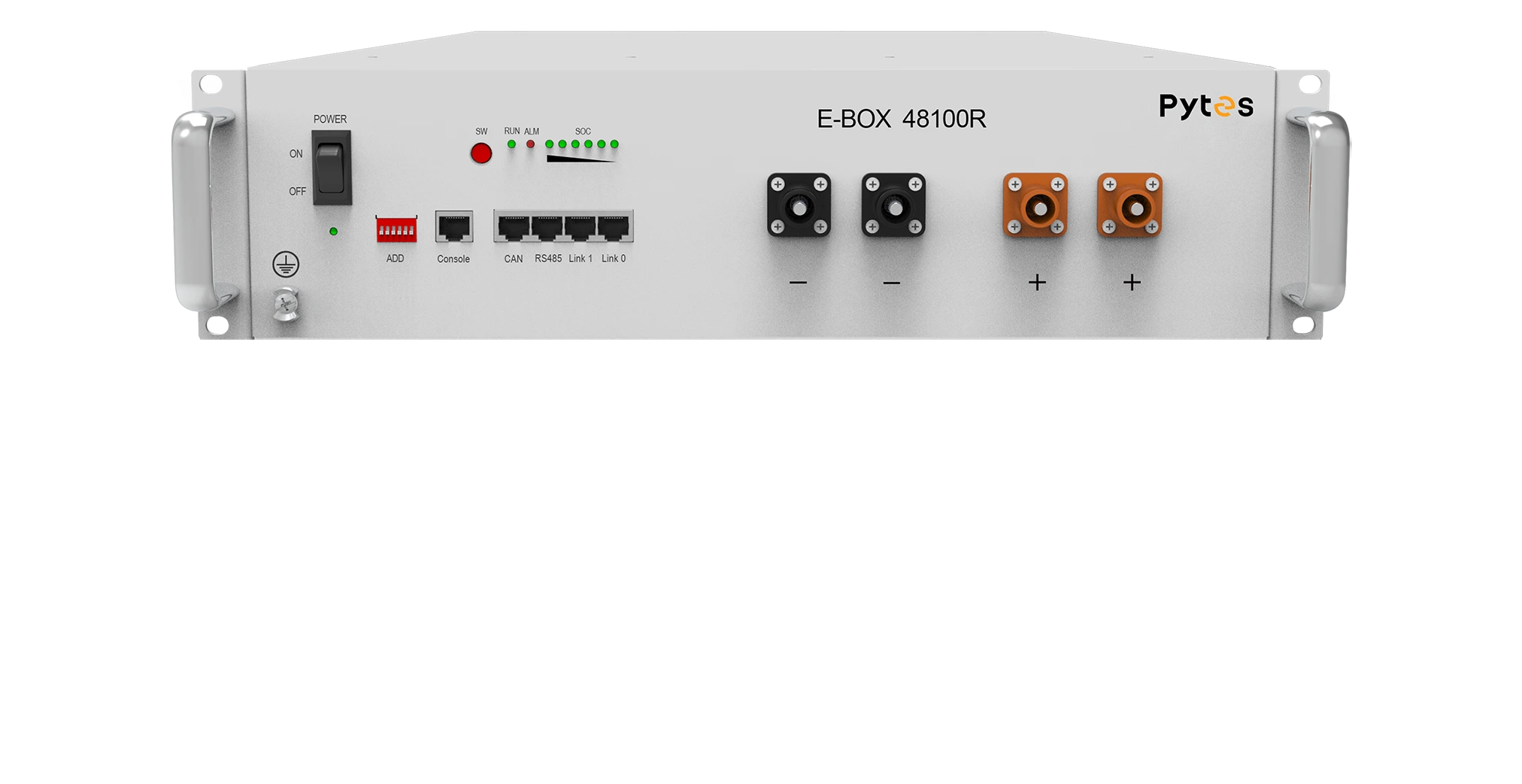
As electricity prices continue to fluctuate and more households adopt rooftop solar, residential energy storage is becoming an important part of home energy management. A residential battery storage system stores available electricity for use when generation falls, household consumption rises, or the grid becomes unavailable.
For homeowners, installers, distributors, and energy solution providers, choosing the right system involves more than comparing battery capacity. Battery chemistry, inverter compatibility, thermal management, electrical protection, and installation requirements all influence system performance and reliability.
How a Residential Battery Storage System Works
A residential battery storage system integrates battery modules with the home's electrical infrastructure to manage energy storage and delivery. In a solar installation, surplus photovoltaic electricity can be used to charge the battery rather than being immediately sent back to the grid.
The stored energy can then be supplied to household appliances when needed. Depending on the system configuration, operation can be adjusted to support solar self-consumption, respond to electricity tariffs, or maintain power reserves for outages.
Understanding Capacity and Output Power
Battery capacity, expressed in kilowatt-hours (kWh), indicates the amount of energy a battery can store. Its power rating, measured in kilowatts (kW), describes how much power it can deliver or absorb at a given time.
Both specifications matter when selecting a residential battery storage system. A battery may hold enough energy for extended use but still lack the output power required to operate several demanding appliances together. Conversely, a system with more power capability than the household needs may add unnecessary cost.
Battery Chemistry and Configuration
Lithium iron phosphate (LiFePO4) chemistry is commonly used in residential storage applications because of its thermal stability and suitability for repeated charging and discharging.
Battery systems can be configured to meet different voltage, capacity, space, and inverter requirements. Modular designs also make it possible to offer multiple capacity options based on a shared product platform.
Safety and Thermal Management
Because residential batteries may operate for long periods in or around homes, safety needs to be considered throughout the system design. Battery monitoring, electrical protection, temperature management, and enclosure construction must work together.
Battery Management System (BMS)
The battery management system monitors key operating parameters, including cell voltage, current, temperature, and state of charge. It helps maintain cell balance and responds to abnormal conditions that could affect battery operation.
For a residential battery storage system, BMS protection may address overvoltage, undervoltage, overcurrent, and excessive temperature, according to the system's design and configured protection limits.
Temperature Control and Enclosure Protection
Operating temperature influences battery charging behavior, service life, and safety. An appropriate enclosure design helps manage heat and supports operation within the specified environmental conditions.
Depending on the product architecture and installation environment, manufacturers may rely on passive heat dissipation or active thermal management. Protection against dust, moisture, and accidental contact should also be considered.
Electrical Safety Measures
Electrical protection is another essential part of residential storage design. Overcurrent and short-circuit protection, isolation functions, and correctly specified wiring help support safe system operation.
The required configuration depends on factors such as battery voltage, inverter specifications, installation conditions, and applicable electrical regulations. A residential battery storage system should therefore be assessed as a complete electrical installation, not simply as an individual battery pack.
Common Operating Modes for Residential Energy Storage
A battery's operating strategy affects how effectively stored electricity is used. Depending on the system's capabilities, energy management can respond to solar output, household consumption, grid availability, and electricity prices.
Increasing Solar Self-Consumption
When solar panels generate more electricity than the household immediately needs, surplus energy can charge the battery. Later, when solar production declines, the stored electricity can power household loads.
This approach allows more solar-generated electricity to be consumed on-site and can reduce the need to purchase grid electricity during periods of lower solar output.
Managing Time-of-Use Electricity Prices
In areas with time-based electricity tariffs, charging and discharging can be scheduled according to price differences. A system may charge during lower-price periods and supply stored electricity when rates are higher, within the manufacturer's operating limits.
This strategy depends on effective coordination among the battery, inverter, and energy management system. A residential battery storage system with configurable operating modes can accommodate different tariff structures and household energy requirements.
Maintaining Backup Power
For households that need electricity during grid outages, the battery can reserve a portion of its stored energy for essential loads. This prioritizes backup availability rather than using all available capacity for everyday energy savings.
Backup requirements should be based on the circuits and appliances that need to remain operational. Lighting, refrigerators, and networking equipment generally have different power requirements from air conditioners, electric water heaters, and induction cookers. The inverter and backup configuration must be suitable for the intended loads.
Manufacturing and B2B Procurement Considerations
For distributors, solar installers, and energy storage brands, purchasing a residential battery storage system requires evaluating the complete product solution. Manufacturing consistency, inverter compatibility, communication capabilities, certification requirements, and after-sales support are all relevant to project implementation.
Production Processes and Quality Assurance
Battery manufacturing involves several quality-sensitive stages, including cell sourcing, pack assembly, welding, insulation, wiring, BMS integration, and enclosure construction.
Final testing may cover voltage consistency, insulation performance, communication functions, protective responses, and overall system operation. For OEM projects, standardized production and testing procedures help maintain consistency across units supplied to the same specifications.
OEM Services and Capacity Options
Requirements vary across markets and projects, including battery voltage, storage capacity, enclosure dimensions, communication interfaces, and installation methods. Manufacturers offering OEM services may adapt their product platforms to meet these needs.
Depending on the project, customization can cover module configuration, enclosure design, BMS settings, inverter communication, display interfaces, branding, and packaging. Validating samples before mass production helps confirm electrical compatibility and mechanical integration.
Certification and Regional Compliance
Residential battery storage products may need to meet applicable requirements for electrical safety, battery safety, electromagnetic compatibility (EMC), transportation, and regional market access.
B2B buyers should identify relevant compliance requirements before production begins. The battery configuration, inverter combination, enclosure design, and intended installation environment may all influence the applicable requirements.
Conclusion
A residential battery storage system brings together battery modules, power conversion, monitoring, electrical protection, and energy management to support household electricity use and backup needs.
For manufacturers, installers, distributors, and OEM brands, system reliability depends on battery quality, BMS performance, thermal management, electrical protection, and compatibility with other equipment. Careful product selection and consistent manufacturing help adapt storage solutions to different household requirements and regional markets.
https://www.pytes.au/all-products/
https://www.pytes.au/
Pytes Australia
About Author