How to Select Caustic Soda Flakes for Industrial Applications
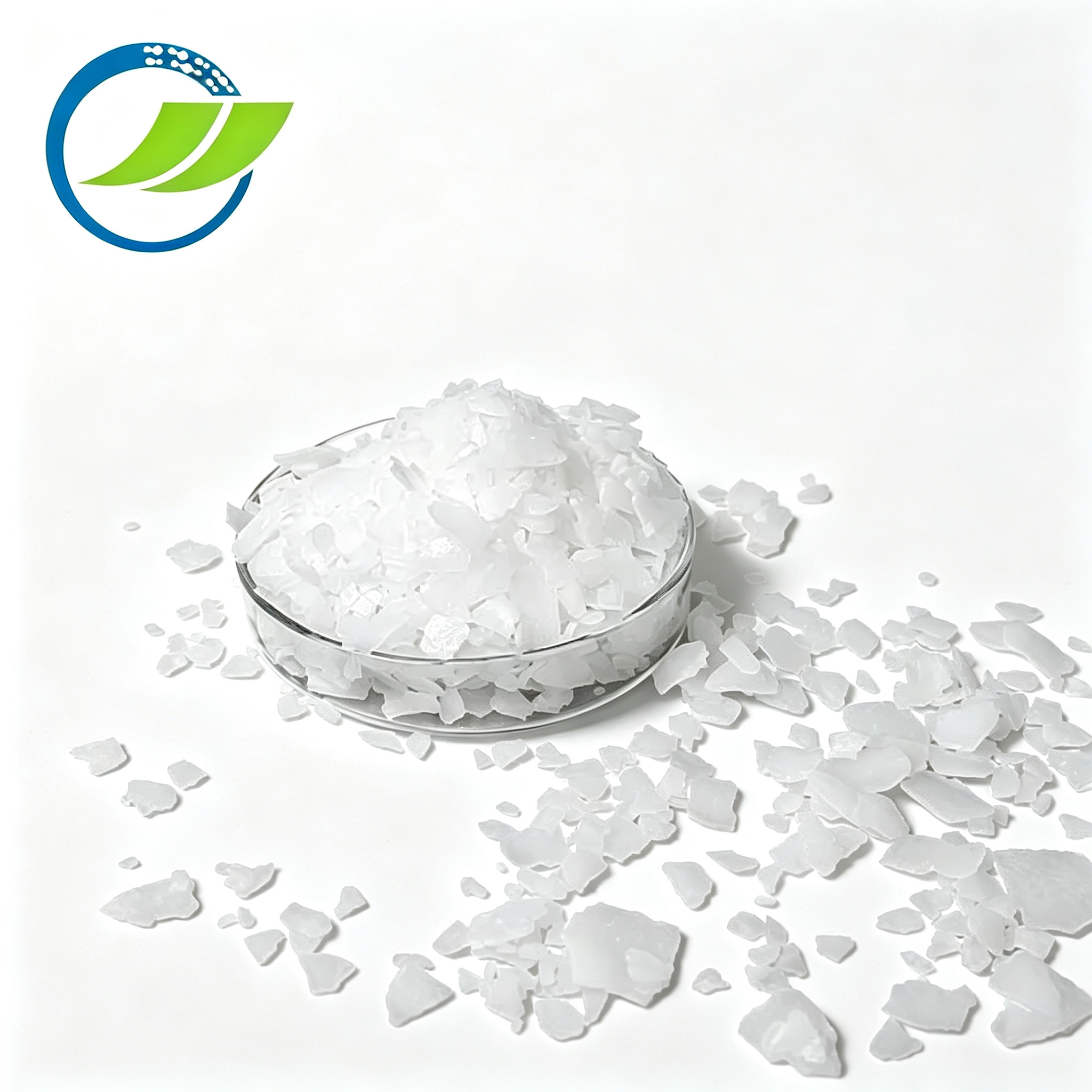
Caustic soda flakes are a widely used form of sodium hydroxide (NaOH), valued for their high concentration, convenient handling in controlled industrial processes, and versatility across chemical manufacturing, water treatment, textile processing, detergent production, and other applications. Typically supplied as white, solid flakes, caustic soda flakes dissolve in water to produce a strongly alkaline solution used for pH adjustment, neutralization, cleaning, and chemical conversion. However, selecting the right product requires more than comparing price per ton. Purity, sodium carbonate content, moisture, packaging integrity, dissolution requirements, and transportation conditions all influence how reliably the material performs in production.
For manufacturers and distributors, the main challenge is to secure a consistent material specification that matches the intended process while controlling storage risks, handling costs, and supply interruptions. A product suitable for one application may require additional verification before use in another, particularly when impurity limits, solution concentration, or downstream product quality are tightly controlled.
Shanghai Huerbang Biotechnology Co., Ltd. integrates chemical product supply, quality control, warehousing, packaging, and international trade. Its product portfolio includes basic inorganic chemicals, water treatment chemicals, surfactants, and other industrial raw materials. Through coordinated production and supply-chain services, the company supports customers seeking appropriate product specifications, packaging options, and export arrangements for different industrial requirements.
What Are Caustic Soda Flakes?
Caustic soda flakes are the solid form of sodium hydroxide, a strong inorganic alkali with the chemical formula NaOH and a molecular weight of approximately 40.00 g/mol. Commercial flakes are generally white or nearly white and are commonly manufactured by concentrating sodium hydroxide solution and solidifying the concentrated material into flakes.
A typical commercial specification may require NaOH content of approximately 98% or higher, although the exact requirement depends on the supplier's grade and the purchasing specification. Other parameters may include sodium carbonate content, chloride content, iron content, and moisture. These values should be verified against the actual certificate of analysis rather than assumed from the product name.
The distinction between flakes, pearls, and liquid caustic soda is important. Flakes are a concentrated solid that can be transported and stored without moving large quantities of process water. Pearls or prills offer a different particle shape that may suit particular feeding systems. Liquid caustic soda avoids the need to dissolve a solid before use but introduces transportation and storage considerations associated with solution concentration, tank compatibility, and liquid handling.
For operations without dedicated bulk-liquid infrastructure, caustic soda flakes can offer practical flexibility. However, the solid form requires controlled weighing, dust management, moisture protection, and a suitable dissolution procedure. The best form depends on consumption volume, existing equipment, transport distance, and the way sodium hydroxide enters the production process.
Which Quality Parameters Matter Most?
NaOH assay is usually the first parameter to evaluate because it indicates the proportion of sodium hydroxide in the product. A higher assay generally means that less material is required to deliver a given quantity of active NaOH, assuming the remaining composition and measurement basis are understood. Nevertheless, assay alone does not fully describe chemical quality.
Sodium carbonate is another important parameter. It can form when sodium hydroxide reacts with carbon dioxide from the air. In applications where carbonate accumulation affects product formulation, reaction chemistry, or process control, the allowable carbonate level should be defined in advance. Excess carbonate may also influence the behavior of solutions used in certain chemical processes.
Chloride and iron levels may be relevant when caustic soda flakes are used in processes sensitive to inorganic contamination. Textile processing, chemical synthesis, and certain surface-treatment operations may have different impurity tolerances. The appropriate specification should therefore be based on the process rather than a generic claim that one grade is suitable for every industrial application.
Moisture is equally important for storage and handling. Sodium hydroxide is hygroscopic and absorbs moisture from the surrounding environment. It also absorbs carbon dioxide, potentially increasing carbonate content. If the packaging is damaged or repeatedly opened under humid conditions, the material can absorb moisture, cake, or develop handling problems. Product appearance alone cannot reliably confirm the NaOH assay or impurity profile.
A sound incoming-quality process checks the product designation, batch identification, packaging condition, certificate of analysis, and relevant test results. For applications with strict impurity requirements, the acceptance criteria and analytical methods should be agreed upon before shipment.
How Caustic Soda Flakes Perform in Different Industries
The correct specification depends on the chemical function of sodium hydroxide in the target process. Although the material is chemically the same active compound, operating conditions and impurity tolerances can differ considerably.
In water and wastewater treatment, sodium hydroxide is used to raise pH, neutralize acidic streams, and support certain treatment processes. The dosing system must account for the required pH range, flow rate, buffering capacity, and the chemical composition of the water. Since pH does not increase linearly with NaOH dosage in every wastewater stream, dosing should be determined through process calculations, testing, and controlled adjustment rather than a fixed universal ratio.
In detergent and cleaning-product manufacturing, caustic soda flakes can be used for alkalinity adjustment, neutralization, and the saponification of suitable fats and oils. Consistent assay supports formulation accuracy, while impurity control helps reduce unwanted variation between production batches. The final formulation must also account for other ingredients, reaction conditions, and any applicable product-quality requirements.
In textile processing, sodium hydroxide is used in operations such as cotton mercerization, scouring, and certain cleaning treatments. Concentration control and process consistency are particularly important because excessive or insufficient alkalinity can affect treatment results, material properties, and downstream processing. Product selection should reflect the process specification and the level of contamination that can be tolerated.
In chemical manufacturing, NaOH serves as a reactant, neutralizing agent, and pH-control chemical in a broad range of production processes. Here, the consequences of impurities depend on the reaction pathway, catalysts, and final product specifications. A chemical manufacturer may require tighter limits for selected impurities than a general-purpose cleaning operation.
These applications demonstrate why a reliable product specification should be linked to the intended process. A nominally high-purity material is not automatically the best option if it introduces unnecessary cost, while a lower-cost grade may be unsuitable if its impurity profile affects production yield or product quality.
How to Calculate the Required Caustic Soda Quantity
Theoretical dosing calculations provide a starting point for determining material requirements. For a simple NaOH solution, the quantity of commercial flakes depends on the target amount of pure NaOH and the product's measured assay.
For example, if a process requires 100 kg of pure NaOH and the supplied flakes contain 98% NaOH by mass, the theoretical quantity of flakes is approximately 102.04 kg. This calculation assumes that the stated assay is applicable to the supplied batch and that the process requirement is expressed on the same mass basis.
In actual production, additional considerations may include moisture, solution preparation losses, the accuracy of weighing equipment, and the chemical demand of the process. Wastewater neutralization, for example, requires information about acidity and buffering behavior; it cannot be accurately calculated from water volume alone. Similarly, a target solution concentration must be calculated using the final solution mass or another explicitly defined concentration basis.
Dissolving sodium hydroxide releases significant heat. The addition sequence, mixing system, vessel material, cooling capacity, and final solution temperature must be considered during preparation. Concentrated solutions can cause severe chemical burns, so dilution should be carried out only under an established procedure with suitable engineering controls and protective equipment.
Packaging, Storage, and Transportation Considerations
Caustic soda flakes must be protected from moisture and carbon dioxide during storage. Packaging should provide an effective moisture barrier and be suitable for the product's corrosive nature. Common commercial packaging formats may include lined bags and larger industrial packages, with the exact design depending on supplier capability, shipment conditions, and customer requirements.
The package specification should identify the net weight, material compatibility, sealing method, and handling requirements. For export shipments, packaging must also be appropriate for the planned container loading, transport duration, expected humidity exposure, and applicable shipping regulations. Damaged or inadequately sealed packages can create product-quality problems even when the original batch meets its specification.
Storage areas should be dry, well ventilated, and designed to prevent accidental contact with incompatible materials. Caustic soda flakes must be kept away from acids and other incompatible substances. Containers should remain closed when not in use, and procedures should prevent water from entering the product packaging.
Because sodium hydroxide is highly corrosive, workplace arrangements should include suitable handling equipment, access to emergency eyewash and shower facilities where required, and procedures for managing spills. The relevant safety data sheet and local regulations should govern storage, personal protective equipment, transport classification, and emergency response.
How to Evaluate a Caustic Soda Flakes Supplier
A dependable supply arrangement requires consistency across product quality, packaging, documentation, and delivery. Before placing an order, confirm the NaOH assay, applicable impurity limits, test methods, batch traceability, and certificate-of-analysis requirements. If the product is intended for a process with strict quality limits, request representative analytical data and establish an agreed acceptance specification.
Supply-chain capabilities also matter. Manufacturing coordination, inventory planning, packaging control, export documentation, customs clearance, and international logistics all influence delivery reliability. For recurring consumption, forecasted demand and agreed lead times can help reduce the risk of production interruptions. For trial orders, a representative sample and clearly documented test criteria can help verify suitability before scaling up.
Shanghai Huerbang Biotechnology Co., Ltd. combines chemical product sales with supply-chain management, warehousing, packaging, and international trade services. When discussing caustic soda flakes requirements, customers can specify their intended application, required assay, impurity limits, packaging format, order quantity, destination, and delivery schedule. These details provide a practical basis for aligning the product specification with the actual use case.
Conclusion
Selecting the right caustic soda flakes requires a coordinated assessment of NaOH assay, impurity profile, moisture protection, dissolution requirements, application conditions, and supply reliability. Water treatment, detergent manufacturing, textile processing, and chemical production may all use sodium hydroxide, but their process requirements and acceptable impurity levels are not necessarily the same.
A clearly defined specification, verified batch documentation, suitable packaging, and controlled handling procedures help reduce quality variation and operational risk. By coordinating product requirements with quality control, packaging, and international logistics, Shanghai Huerbang Biotechnology Co., Ltd. supports industrial customers seeking a consistent and practical supply of chemical raw materials.
www.hurbond.com
Shanghai Huerbang Biotechnology Co., Ltd.
About Author