Common Oscillator Failure Modes and How to Mitigate Them
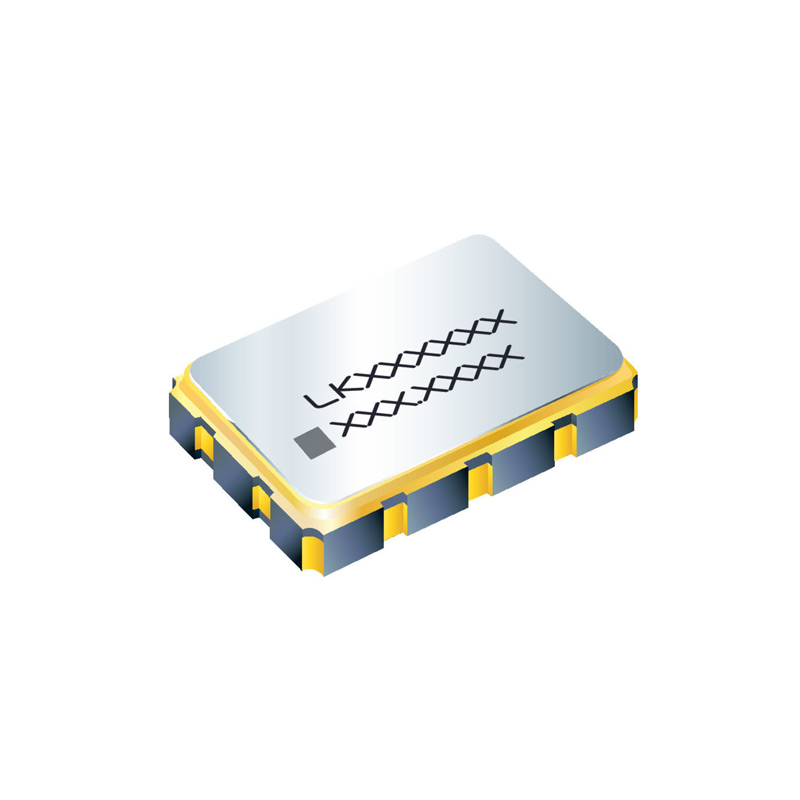
Oscillators are fundamental timing components in modern electronic systems. Whether used in communication base stations, satellite navigation equipment, data servers, AI accelerators, autonomous driving sensors, smart home devices, medical instruments, or industrial control systems, oscillators ensure stable frequency generation for synchronization and system reliability.
Despite their small size, oscillator failures can result in severe system issues such as timing drift, communication loss, inaccurate positioning, data corruption, or full device malfunction. Understanding common oscillator failure modes is essential for designing robust electronic systems.
This article examines the most frequent oscillator failure modes, explores their root causes, and provides practical mitigation strategies. It also highlights how LUCKI ELECTRONIC (LUCKI®), a global leader in quartz crystals, oscillators, ceramic resonators, and timing solutions, supports engineers with high-reliability products across VCXO, TCXO, OCXO, and SMD/through-hole oscillator categories.
To explore a full range of oscillator solutions, you can visit:
<a href="https://www.cnlucki.com/Oscillator">oscillator products</a>.
1. Frequency Drift and Aging
Frequency drift occurs when the oscillator gradually deviates from its nominal frequency over time. All oscillators age, but excessive drift can compromise performance in applications requiring precision timing.
Common Causes
-
Quartz aging and internal stress relief
-
Contamination within crystal enclosures
-
Material degradation at high temperatures
-
Mechanical stress from PCB assembly
Impact on Systems
In communication systems, drift may cause channel misalignment. For GNSS and satellite navigation, even slight timing deviations lead to significant positioning errors. In data centers or cloud platforms, drift affects synchronization between distributed nodes.
Mitigation Strategies
-
Select oscillators designed for low aging rates
-
Use temperature-compensated (TCXO) or oven-controlled (OCXO) oscillators for precision timing
-
Implement periodic calibration routines where feasible
-
Ensure proper manufacturing processes to reduce mechanical stress
LUCKI® offers aging-optimized TCXO and OCXO solutions widely used in satellite navigation and communication infrastructure, providing stable long-term performance even in demanding environments.
2. Phase Noise and Jitter Degradation
Phase noise and jitter are critical metrics in modern high-speed and high-frequency systems. Excessive jitter disrupts signal integrity, timing synchronization, and communication performance.
Common Causes
-
Poor power supply stability
-
Inherent crystal imperfections
-
EMI/EMC interference
-
Aging or thermal instability
-
Insufficient oscillator design shielding
Impact on Systems
High jitter can degrade:
-
High-speed data transmission
-
5G/6G communication
-
Radar systems
-
AI accelerator synchronization
-
Industrial control loops
Mitigation Strategies
-
Use oscillators with low phase noise architecture
-
Implement high-quality power filtering
-
Provide shielding against electromagnetic interference
-
Keep oscillator placement away from switching regulators on PCB
LUCKI ELECTRONIC’s oscillator lines, particularly VCXO and OCXO products, are engineered for minimal phase noise, supporting high-speed communication and data center applications.
3. Temperature-Induced Instability
Temperature variations affect crystal oscillators, altering resonant frequency and introducing timing errors.
Common Causes
-
Rapid external temperature changes
-
Insufficient thermal compensation
-
Inadequate PCB thermal design
Impact on Systems
Systems exposed to outdoor or industrial environments, such as smart cities, automotive electronics, and energy infrastructure, often experience broad temperature swings. Without compensation, oscillators may drift beyond acceptable tolerances.
Mitigation Strategies
-
Choose TCXO or OCXO models for temperature-sensitive applications
-
Avoid placing oscillators near heat-generating components
-
Use thermal spreaders or shielding where appropriate
-
Perform temperature cycling tests during design validation
LUCKI® has decades of experience developing stable TCXO products used in automotive, IoT, and environmental monitoring applications.
4. Power Supply Issues and Startup Failures
Oscillators are sensitive to power quality. Voltage fluctuations, noise, or incorrect supply sequencing may prevent oscillators from starting reliably.
Common Causes
-
Dirty or unstable power rails
-
Insufficient startup current
-
Incorrect enable/disable control timing
-
PCB power distribution noise
Impact on Systems
Startup failures lead to system boot errors, communication loss, or repeated resets, especially in embedded devices or consumer electronics.
Mitigation Strategies
-
Use low-noise LDOs and proper decoupling techniques
-
Ensure correct power sequencing during design
-
Validate oscillator startup time under worst-case conditions
-
Apply EMI filters or ferrite beads to isolate noise
LUCKI ELECTRONIC provides oscillators with optimized startup characteristics suitable for high-reliability systems in industrial control and smart home applications.
5. Electromagnetic Interference (EMI) and Crosstalk
Oscillators can both generate and suffer from EMI. In dense PCB layouts, improper shielding can cause frequency instability or injection locking.
Common Causes
-
Nearby switching power supplies
-
High-speed digital traces
-
Radio-frequency transmitters
-
Poor grounding or shielding design
Impact on Systems
EMI can disrupt timing accuracy, cause intermittent failures, or degrade wireless communication performance.
Mitigation Strategies
-
Maintain PCB spacing between oscillators and noisy circuits
-
Use ground planes and shielding cans
-
Route high-frequency traces carefully
-
Follow layout guidelines for RF and precision timing circuits
LUCKI® oscillators are widely deployed in communication towers, satellite equipment, and industrial machines due to their strong EMI resilience.
6. Mechanical Shock and Vibration Sensitivity
Mechanical stress can change quartz oscillation characteristics or damage internal components.
Common Causes
-
Improper handling during manufacturing
-
Automotive or aerospace vibration
-
Industrial machine environments
-
Drop or impact
Impact on Systems
Mechanical-induced frequency shift leads to inaccurate timing in autonomous vehicles, robotics, and medical devices.
Mitigation Strategies
-
Select oscillators with low g-sensitivity
-
Use shock-absorbing PCB mounts where possible
-
Validate vibration profiles for automotive or industrial systems
LUCKI ELECTRONIC manufactures oscillators designed for high mechanical resilience, especially for AI, autonomous driving, and industrial applications.
7. Contamination, Moisture, and Environmental Degradation
Environmental contamination inside an oscillator package severely impacts reliability.
Common Causes
-
Poor sealing or packaging
-
Moisture ingress
-
Contaminants entering during manufacturing
Impact on Systems
Moisture alters the quartz crystal’s resonant behavior, leading to catastrophic timing failures.
Mitigation Strategies
-
Use oscillators with hermetically sealed ceramic or metal packages
-
Ensure conformal coating for harsh environment boards
-
Conduct accelerated environmental stress testing
LUCKI® delivers oscillators with high-reliability sealing techniques, supporting deployment in outdoor, industrial, and energy management systems.
8. End-of-Life Wear and Component Fatigue
Even high-quality oscillators degrade after years of operation.
Common Causes
-
Long-term thermal cycling
-
Aging of internal materials
-
Solder joint fatigue
Mitigation Strategies
-
Select oscillators rated for extended service life
-
Plan periodic maintenance or replacement cycles in mission-critical systems
-
Design redundancy for high-availability infrastructure such as cloud servers
LUCKI ELECTRONIC has supplied over 10 billion timing and magnetic components globally, demonstrating long-term reliability across multiple industries.
www.cnlucki.com
LUCKI ELECTRONIC(LUCKI®)
About Author