
Oil-Free Compressor for Pharmaceutical Industry: Ensuring Purity, Compliance, and Reliable Production
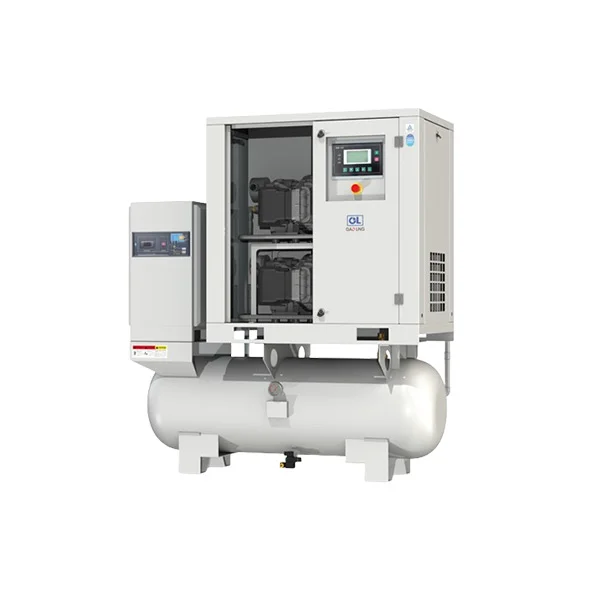
In the pharmaceutical industry, maintaining absolute purity during manufacturing is not just a quality standard—it is a regulatory requirement. Compressed air plays a critical role in pharmaceutical production, from material handling and fermentation to packaging and sterile processing. However, traditional compressors that rely on lubricating oil introduce the risk of contamination, which can compromise drug safety and violate strict regulatory standards.
This is where oil-free compressors for pharmaceutical applications become essential. By eliminating oil from the compression chamber, these compressors provide clean, contaminant-free air that meets the demanding requirements of pharmaceutical manufacturing environments.
This article explores how oil-free compressors work, why they are essential in pharmaceutical production, and what features buyers should consider when selecting the right system.
The Importance of Clean Compressed Air in Pharmaceutical Manufacturing
Compressed air is often referred to as the fourth utility in pharmaceutical production, alongside electricity, water, and gas. It is widely used in:
-
Tablet pressing machines
-
Capsule filling systems
-
Fluid bed dryers
-
Fermentation processes
-
Powder conveying systems
-
Packaging and bottling lines
-
Cleanroom operations
Because compressed air frequently comes into direct or indirect contact with pharmaceutical products, any contamination—especially oil particles—can jeopardize product quality.
Even microscopic oil droplets can lead to:
-
Chemical contamination of drug formulations
-
Reduced shelf life of medicines
-
Microbial growth risks
-
Regulatory non-compliance
-
Product recalls and financial losses
Using an oil-free compressor for pharmaceutical manufacturing eliminates these risks by ensuring the air used in production is completely free from lubricating oil.
What Is an Oil-Free Compressor?
An oil-free compressor is a type of air compressor designed to operate without oil in the compression chamber. Unlike traditional lubricated compressors, these systems use specialized materials and advanced engineering to reduce friction and heat without introducing oil into the compressed air stream.
Key design elements include:
-
Oil-free compression chambers
-
Specialized coatings such as PTFE or ceramic
-
Precision engineering for low friction
-
Advanced cooling systems
As a result, the compressed air produced is 100% oil-free, meeting the highest purity standards required in industries like pharmaceuticals, food processing, electronics manufacturing, and medical equipment production.
Compliance with Pharmaceutical Industry Standards
The pharmaceutical sector is governed by strict international standards to ensure product safety. Compressed air systems used in pharmaceutical facilities must comply with several regulatory frameworks.
ISO 8573-1 Class 0 Certification
The most important standard for air purity is ISO 8573-1, which defines compressed air quality classes.
Class 0 is the strictest category, indicating zero detectable oil contamination. Oil-free compressors designed for pharmaceutical applications typically meet this highest standard.
Good Manufacturing Practice (GMP)
Pharmaceutical manufacturers must follow GMP guidelines, which require strict contamination control during production. Oil-free compressors help companies maintain GMP compliance by ensuring clean compressed air throughout the process.
FDA and International Regulations
In many pharmaceutical environments, regulatory agencies require documented proof that compressed air used in production is free from harmful contaminants. Oil-free compressor systems simplify compliance by providing inherently clean air.
Key Applications of Oil-Free Compressors in Pharmaceutical Facilities
Oil-free compressors play an important role in many stages of pharmaceutical manufacturing.
Fermentation and Bioprocessing
In biotechnology and fermentation processes, compressed air is used to supply oxygen to microbial cultures. Oil contamination can damage cell cultures or affect fermentation efficiency. Oil-free compressors ensure a clean and stable air supply.
Tablet and Capsule Production
Compressed air is used in tablet presses and capsule filling machines to control mechanical movements and powder handling. Using oil-free air prevents contamination of pharmaceutical powders.
Sterile Packaging
During packaging operations, compressed air may come into contact with vials, bottles, or blister packs. Clean oil-free air helps maintain sterile conditions and prevent product contamination.
Cleanroom Operations
Cleanrooms require highly purified air to maintain controlled environments. Oil-free compressors ensure that compressed air systems do not introduce particles or oil vapor into cleanroom air circulation.
Pneumatic Conveying
Pharmaceutical powders and granules are often transported using compressed air systems. Oil contamination in the air stream can affect product purity and quality.
Types of Oil-Free Compressors Used in Pharmaceutical Production
Different compressor technologies are used depending on production requirements.
Oil-Free Screw Compressors
Oil-free screw compressors are widely used in pharmaceutical manufacturing due to their reliability and continuous operation capability.
Advantages include:
-
High airflow capacity
-
Continuous operation
-
Energy efficiency
-
Long service life
These compressors are ideal for large pharmaceutical plants with high compressed air demand.
Oil-Free Scroll Compressors
Scroll compressors are compact and quiet, making them suitable for laboratories and small production environments.
Key benefits include:
-
Low noise levels
-
High efficiency at lower capacities
-
Minimal vibration
-
Simple design
Oil-Free Piston Compressors
Oil-free piston compressors are often used in smaller pharmaceutical facilities or laboratory applications where intermittent compressed air demand is sufficient.
They provide:
-
Lower initial cost
-
Compact size
-
Easy maintenance
Advantages of Oil-Free Compressors in Pharmaceutical Applications
Choosing an oil-free compressor offers several significant benefits for pharmaceutical manufacturers.
1. Eliminates Risk of Oil Contamination
The most obvious advantage is the complete removal of oil contamination risk. This ensures product purity and regulatory compliance.
2. Lower Maintenance Requirements
Oil-lubricated compressors require oil changes, filtration, and disposal procedures. Oil-free systems simplify maintenance and reduce operational complexity.
3. Improved Product Safety
Pharmaceutical products must meet extremely high purity standards. Oil-free compressed air ensures the production environment remains contamination-free.
4. Compliance with International Standards
Using oil-free compressors helps manufacturers meet ISO, GMP, and FDA guidelines related to air purity and contamination control.
5. Reduced Environmental Impact
Without lubricating oil, there is less risk of environmental contamination and fewer waste disposal requirements.
Key Features to Consider When Selecting an Oil-Free Compressor for Pharmaceutical Use
Choosing the right compressor requires careful evaluation of several factors.
Air Purity Certification
Ensure the compressor meets ISO 8573-1 Class 0 standards for oil-free air.
Reliability and Continuous Operation
Pharmaceutical production lines often run continuously. Select compressors designed for 24/7 operation with high reliability.
Energy Efficiency
Compressed air systems can account for a large portion of industrial energy consumption. High-efficiency oil-free compressors help reduce operating costs.
Noise Levels
Low-noise compressors are important for laboratory environments and facilities where noise reduction is required.
Monitoring and Automation
Modern compressors often include smart control systems that allow operators to monitor performance, optimize energy use, and detect maintenance needs.
Maintenance Best Practices for Pharmaceutical Compressors
Even though oil-free compressors require less maintenance than lubricated systems, proper maintenance remains essential.
Recommended practices include:
-
Regular inspection of filters and dryers
-
Monitoring pressure levels and airflow
-
Checking cooling systems
-
Replacing worn components on schedule
-
Conducting periodic air quality testing
Preventive maintenance ensures consistent compressor performance and helps maintain air purity standards.
Energy Efficiency and Cost Considerations
Although oil-free compressors typically have a higher upfront cost than oil-lubricated compressors, the long-term benefits often outweigh the initial investment.
Cost savings come from:
-
Reduced product contamination risk
-
Lower maintenance requirements
-
Reduced filtration needs
-
Improved operational reliability
Additionally, modern oil-free compressor designs incorporate variable speed drives (VSD) and advanced energy management systems, further reducing operating costs.
Future Trends in Pharmaceutical Compressed Air Systems
As pharmaceutical manufacturing becomes more advanced, compressed air technology continues to evolve.
Key trends include:
-
Integration with smart factory systems
-
IoT-enabled compressor monitoring
-
Energy-efficient compressor designs
-
Advanced air purification systems
-
Predictive maintenance technologies
These innovations will help pharmaceutical manufacturers achieve higher efficiency while maintaining strict product safety standards.
Conclusion
Compressed air quality plays a crucial role in pharmaceutical manufacturing, where even the smallest contaminant can affect product safety and regulatory compliance. Oil-free compressors provide a reliable solution by delivering completely clean air without the risk of oil contamination.
From fermentation and tablet production to sterile packaging and cleanroom operations, oil-free compressors ensure that pharmaceutical facilities maintain the highest levels of purity, reliability, and efficiency.
As pharmaceutical production continues to expand globally, investing in a high-quality oil-free compressor for pharmaceutical applications is not only a matter of operational efficiency—it is a critical step toward ensuring product safety, regulatory compliance, and long-term manufacturing success.
www.glcompressor.com
glcompressor
About Author