Comparing Synthetic vs. Nylon Truck Recovery Straps: Which One is Right for You?
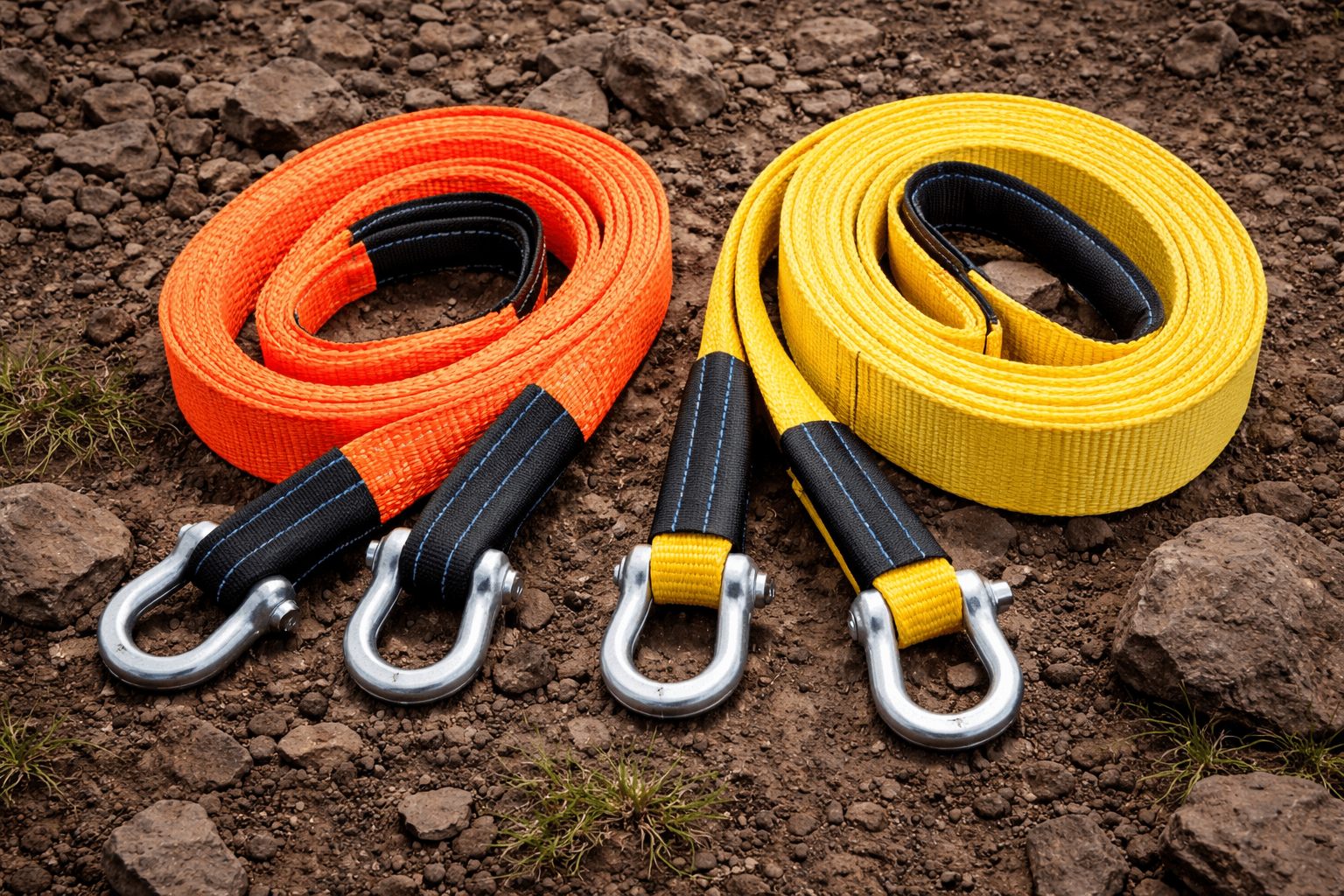
Truck recovery straps are essential tools for off-road enthusiasts, professional drivers, and anyone who finds themselves in situations where a vehicle may get stuck in mud, snow, sand, or uneven terrain. These straps are designed to safely pull or recover vehicles without causing damage to either the vehicle or the strap itself. However, not all recovery straps are created equal. Among the most commonly used types are synthetic and nylon straps. Understanding the differences between these two types can help you make an informed decision and ensure safety and efficiency during vehicle recovery operations.
In this article, we will explore the characteristics, advantages, limitations, and best use cases for synthetic and nylon truck recovery straps.
1. What Are Truck Recovery Straps?
Truck recovery straps, also known as tow straps or recovery tow straps, are strong, durable straps designed specifically for towing or recovering vehicles. Unlike standard tow ropes or chains, recovery straps are engineered to stretch under load. This stretching capability allows them to absorb the shock of sudden pulls, reducing the risk of damaging the vehicles involved.
Recovery straps are usually rated according to their Working Load Limit (WLL) or Breaking Strength (BS). The WLL indicates the maximum safe pulling load, while the BS represents the maximum load the strap can handle before breaking. Choosing a strap with an appropriate WLL for your vehicle is crucial for safe recovery.
The two most popular types of truck recovery straps are nylon straps and synthetic straps. While both serve the same primary function, they differ in material properties, performance, durability, and cost.
2. Nylon Truck Recovery Straps
2.1 Material and Construction
Nylon recovery straps are made from high-strength nylon fibers woven together. The most common construction is a flat, wide strap with reinforced loops at each end for easy attachment to recovery points. Some high-quality nylon straps are double or triple stitched to enhance durability.
Nylon is known for its elasticity, which allows these straps to stretch significantly under load. Typically, nylon straps can stretch 20–30% of their original length, providing a shock-absorbing effect during vehicle recovery.
2.2 Advantages of Nylon Straps
-
High Stretch and Shock Absorption
The elasticity of nylon allows it to absorb the initial shock when a vehicle is being pulled. This is especially useful when recovering vehicles stuck in mud or snow, where sudden jerks could otherwise damage the frame, suspension, or recovery points. -
Durability and Strength
Nylon straps are extremely strong, capable of handling heavy-duty towing tasks. Most high-quality nylon straps have breaking strengths ranging from 20,000 to 60,000 pounds, making them suitable for trucks, SUVs, and even larger commercial vehicles. -
Resistance to Abrasion
Nylon straps are relatively resistant to wear and tear, particularly when used on rough surfaces like gravel, rocks, or sand. -
Water and UV Resistance
Nylon has good resistance to water and moderate UV exposure. Although prolonged sun exposure may weaken the strap over time, proper care and storage can prolong its lifespan.
2.3 Limitations of Nylon Straps
-
Heavier and Bulkier
Nylon straps tend to be heavier and bulkier than synthetic straps, which can make storage and transport slightly less convenient. -
Absorbs Water
While nylon is water-resistant, it does absorb some moisture, which can slightly reduce its strength when wet. This is an important consideration if you frequently operate in rainy or snowy environments. -
UV Degradation Over Time
Prolonged exposure to sunlight can degrade nylon fibers. Regular inspection and proper storage are necessary to maintain safety and performance.
3. Synthetic Truck Recovery Straps
3.1 Material and Construction
Synthetic recovery straps are typically made from advanced synthetic fibers such as polyester, Dyneema, or polypropylene. Like nylon straps, synthetic straps are constructed as flat, wide bands with reinforced loops for attachment.
Synthetic fibers are known for their exceptional strength-to-weight ratio. Some high-end synthetic straps can handle the same load as a nylon strap while being significantly lighter and more compact.
3.2 Advantages of Synthetic Straps
-
Lightweight and Easy to Handle
Synthetic straps are much lighter than nylon straps, making them easier to carry, deploy, and store. For off-road enthusiasts who travel long distances, this can be a major advantage. -
High Strength-to-Weight Ratio
Modern synthetic fibers like Dyneema are extremely strong, offering high load-bearing capacity without the bulk of nylon. This allows for compact storage without sacrificing performance. -
Minimal Stretch
Synthetic straps typically have less stretch than nylon straps. This can be an advantage in controlled recovery situations where precise towing is required, such as pulling vehicles out of ditches or tight spots. -
Resistant to Water and UV Damage
Most synthetic straps are highly resistant to water, mildew, and UV degradation. Unlike nylon, they do not absorb water and maintain consistent strength even when wet.
3.3 Limitations of Synthetic Straps
-
Lower Shock Absorption
Synthetic straps with minimal stretch do not absorb shock as effectively as nylon straps. This can increase the risk of damage to vehicle frames or recovery points during sudden pulls. -
Potential Abrasion Sensitivity
Some synthetic fibers are less resistant to abrasion than nylon. When used on rough or sharp surfaces, synthetic straps may require additional protective sleeves to prevent damage. -
Cost
High-quality synthetic straps, particularly those made from Dyneema or similar fibers, tend to be more expensive than nylon straps.
4. Nylon vs. Synthetic: Key Differences
| Feature | Nylon Recovery Straps | Synthetic Recovery Straps |
|---|---|---|
| Stretch | High (20–30%) | Low (5–10%) |
| Shock Absorption | Excellent | Moderate |
| Weight | Heavier | Lightweight |
| Water Resistance | Moderate (absorbs some water) | High (does not absorb water) |
| UV Resistance | Moderate (degrades over time) | High |
| Abrasion Resistance | Good | Moderate (depends on material) |
| Cost | Moderate | Higher |
| Best Use | Off-road recovery, heavy-duty towing | Controlled recovery, lightweight setups, expeditions |
5. Choosing the Right Recovery Strap
When deciding between nylon and synthetic truck recovery straps, consider the following factors:
-
Vehicle Weight and Type
Heavy trucks, SUVs, or commercial vehicles may benefit more from nylon straps due to their superior elasticity and shock absorption. Lighter vehicles or compact SUVs can often use synthetic straps effectively. -
Environment
If you frequently encounter wet, snowy, or muddy conditions, synthetic straps may be advantageous due to their water resistance. For off-road terrains with rocks and sharp edges, nylon straps offer better abrasion resistance. -
Storage and Portability
For long-distance travel or expeditions where weight and space are concerns, synthetic straps are easier to carry and store. -
Recovery Style
If you prefer a “snatch recovery” method, where the strap stretches to pull the stuck vehicle, nylon straps are ideal. For a controlled recovery with minimal stretch, synthetic straps are more suitable. -
Budget
Nylon straps generally cost less, while high-performance synthetic straps can be more expensive. However, the durability and weight savings of synthetic straps may justify the cost for frequent users.
6. Safety Considerations for Using Recovery Straps
Regardless of the type of strap you choose, safety is paramount during vehicle recovery. Follow these best practices:
-
Check Load Ratings
Ensure the strap’s Working Load Limit (WLL) exceeds the vehicle’s weight. Never exceed the recommended capacity. -
Inspect Straps Before Use
Look for fraying, cuts, or signs of wear. Damaged straps can fail under load, causing injury or vehicle damage. -
Use Proper Recovery Points
Attach straps only to designated recovery points, not bumpers or tow hooks that are not rated for recovery. -
Maintain Safe Distance
Always keep bystanders away from the recovery area. If a strap snaps, it can release immense force. -
Use Dampers
Placing a recovery strap damper or heavy blanket over the middle of the strap can reduce recoil if it breaks.
7. Conclusion
Both synthetic and nylon truck recovery straps offer distinct advantages and limitations. Nylon straps excel in elasticity, shock absorption, and durability, making them ideal for heavy-duty and off-road recovery situations. Synthetic straps shine in their lightweight design, high strength-to-weight ratio, and water resistance, making them perfect for controlled recovery operations, expeditions, and situations where portability matters.
Ultimately, the choice between synthetic and nylon straps depends on your vehicle type, typical recovery conditions, and personal preferences. For many off-road enthusiasts, owning both types of straps can be the best solution, ensuring you are prepared for any recovery scenario. By understanding the differences and applying the right strap for the situation, you can ensure a safer, more effective vehicle recovery experience.
www.reliablesling.com
reliablesling
About Author