
Mobile Solar Charger Station for Off-Grid Power: Reliable Energy Solutions for Remote Locations
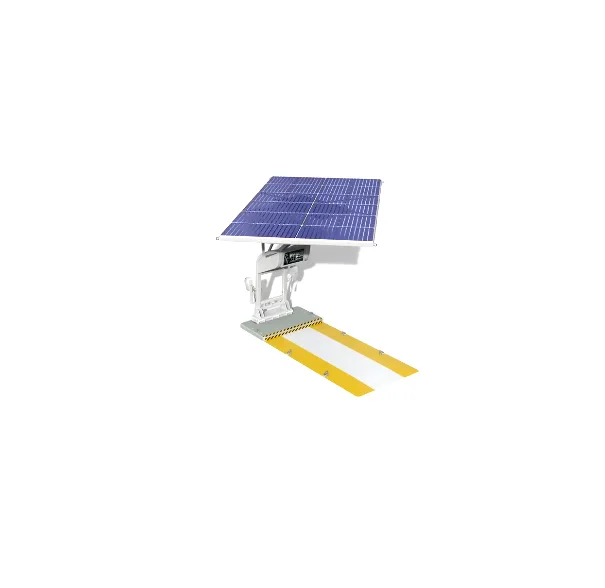
Reliable electricity is essential for modern industrial operations, vehicle fleets, and remote facilities. However, many locations remain far from the power grid, making traditional electrical infrastructure expensive or impractical to install. A mobile solar charger station offers a flexible alternative by combining solar power generation, battery storage, and electric vehicle charging in one transportable system.
For businesses operating in remote areas, temporary project sites, rural facilities, or outdoor service locations, this technology provides a practical way to establish local charging infrastructure while reducing dependence on conventional grid connections.
Why Choose a Mobile Solar Charger Station?
Installing a permanent charging station often requires site preparation, electrical construction, and access to a suitable power supply. These requirements can create delays and additional costs, particularly when a project is temporary or the location may change.
A mobile solar charger station simplifies deployment by integrating the main power components into a towable platform. Instead of building a fixed facility, operators can transport the system to a suitable location and generate electricity locally.
This solution can support remote industrial sites, temporary construction areas, rural parking facilities, and off-grid vehicle charging operations. It is especially useful when charging infrastructure is needed before permanent electrical connections become available.
Although solar power offers greater energy independence, system performance still depends on sunlight, weather, and electricity consumption. Proper planning of battery capacity and charging schedules is therefore essential for reliable operation.
Integrated Solar Generation and Battery Storage
HJ New Energy develops a mobile solar charger station designed to combine photovoltaic generation, energy storage, and vehicle charging within one integrated unit.
The system features a solar canopy equipped with 12 photovoltaic modules, each rated at 500 W, providing a total installed capacity of 6 kWp. Its tracking structure adjusts the panel orientation to follow the sun, helping improve solar energy capture under suitable operating conditions.
The electricity generated by the photovoltaic array is stored in lithium iron phosphate (LFP) batteries. This stored energy can be used when solar production is insufficient to meet immediate demand, such as during periods of cloud cover or when vehicles need charging outside peak sunlight hours.
The station supports two to eight battery modules, offering usable storage capacity ranging from 10.44 kWh to 41.78 kWh. This modular design allows businesses to select a configuration according to their energy requirements rather than investing in more storage than they initially need.
By combining solar generation and battery storage, the station provides a flexible energy solution for locations where conventional electricity infrastructure is limited.
Dual AC Charging for Electric Vehicles
Electric vehicle charging is an increasingly important requirement for industrial fleets, maintenance teams, and remote transportation operations. However, installing EV charging equipment in off-grid locations can be challenging without a reliable electricity source.
The HJ New Energy mobile solar charger station includes two AC charging points with a combined rated output of 11.5 kW. This arrangement allows two compatible electric vehicles to connect simultaneously, making it suitable for small fleets and remote service facilities.
The total charging output must be considered when planning operations. When both charging points are in use, the available power is shared within the system's operating limits. Actual charging times also depend on vehicle specifications, battery condition, energy availability, and charging losses.
A 12 kW hybrid inverter manages power conversion within the integrated system. Auxiliary 110 V and 240 V outlets can also supply compatible electrical equipment, subject to the applicable outlet ratings and load limits.
This combination of EV charging and auxiliary power makes the station useful for more than vehicle charging alone.
Flexible Capacity for Changing Energy Requirements
Energy demand at remote locations can change over time. A temporary project may begin with a small vehicle fleet before expanding to accommodate additional vehicles, tools, or operational equipment.
Modular battery storage helps businesses adapt to these changing requirements. With usable capacity ranging from 10.44 kWh to 41.78 kWh, the station can be configured for different energy needs. Additional modules may also be installed later, subject to manufacturer approval and compatibility requirements.
LFP battery technology is widely used in energy storage applications because of its thermal stability characteristics and potential for long cycle life. Nevertheless, actual battery performance depends on operating temperature, charging practices, maintenance, and adherence to the manufacturer's limits.
The station's battery enclosure carries an IP67 rating and includes a pressure-relief valve. These features contribute to equipment protection, but safe installation, regular inspection, and compliance with applicable electrical and battery regulations remain necessary.
Practical Deployment in Remote Locations
A major advantage of a mobile solar charger station is its ability to operate without a permanent foundation or mandatory grid connection. This can reduce installation requirements and make relocation between suitable sites more convenient.
However, mobility does not eliminate logistical considerations. The HJ New Energy station has deployed dimensions of approximately 6,850 × 3,716 × 4,000 mm and a transport weight of around 5.9 tonnes, depending on the installed battery configuration.
Before deployment, operators should evaluate road access, towing capacity, turning space, ground conditions, overhead clearance, and the space required for the deployed solar canopy. The station must be positioned securely and operated in accordance with the manufacturer's instructions and local regulations.
Solar generation should also be assessed using local sunlight conditions, expected weather patterns, and daily electricity demand. The system's 6 kWp photovoltaic rating represents peak installed capacity, not a guaranteed daily energy output.
For locations with a suitable electrical connection, optional grid backup may provide additional flexibility during periods of low solar production. At fully off-grid sites, battery capacity and energy consumption planning become even more important.
Applications Across Different Industries
A mobile solar charger station can support a range of operations where conventional power infrastructure is unavailable, temporary, or difficult to justify.
Potential applications include remote industrial service areas, construction projects, rural vehicle charging facilities, outdoor parking locations, and selected emergency-response operations. It may also help businesses establish temporary charging services while permanent infrastructure is being developed.
The most suitable applications are those with predictable energy demand, manageable charging schedules, and sufficient solar exposure. Organizations should evaluate how much electricity their vehicles and equipment consume each day and determine whether the available battery storage can support periods of limited sunlight.
For critical operations, solar charging should form part of a broader energy resilience strategy. Extended periods of poor weather may require additional backup arrangements to maintain essential services.
Selecting the Right Off-Grid Charging Solution
Choosing an appropriate mobile solar charger station involves more than comparing photovoltaic capacity. Businesses should consider usable battery storage, total charging output, auxiliary power requirements, site accessibility, and potential future expansion.
It is also important to understand the difference between connecting two vehicles and supplying both with maximum rated power independently. Reviewing the system's electrical specifications and expected operating conditions helps prevent unrealistic expectations and supports more effective energy management.
For businesses seeking a transportable solution for remote EV charging and off-grid electricity supply, the HJ New Energy mobile solar charger station combines a 6 kWp tracking solar canopy, modular LFP battery storage, a hybrid inverter, and dual AC charging points in one integrated platform.
Conclusion
Reliable off-grid power depends on balancing solar generation, battery storage, and actual energy demand. A mobile solar charger station can help businesses establish charging infrastructure in remote locations without relying entirely on permanent grid connections.
With its tracking photovoltaic canopy, configurable battery capacity, dual AC charging points, and towable design, the HJ New Energy mobile solar charger station offers a flexible option for selected industrial, commercial, and remote-site applications. By evaluating site conditions and planning energy consumption carefully, operators can determine whether this integrated solar solution meets their operational needs.
www.huajingst.com
HJ New Energy Technology Co., Ltd.
About Author