
Lightweight Racing Motorcycle Design for Faster Acceleration
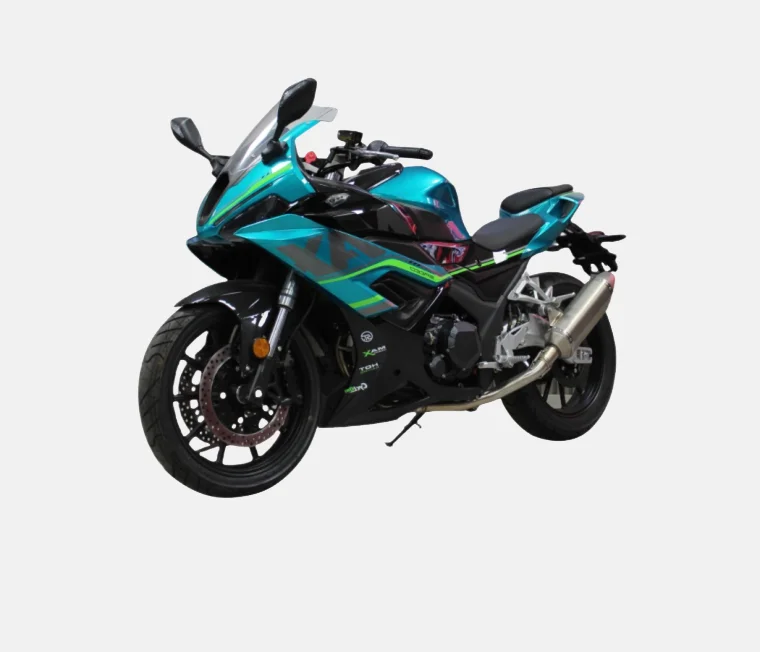
In the world of motorcycle racing, speed is not defined by engine power alone. While horsepower figures often dominate marketing headlines, experienced racers and engineers know that weight reduction is one of the most effective ways to achieve faster acceleration. A lightweight racing motorcycle accelerates harder, brakes later, changes direction faster, and places less physical demand on the rider over long sessions.
From MotoGP prototypes to production-based race bikes, lightweight design is a central philosophy that influences every component—from the frame and engine internals to braking systems, electronics, and even fasteners. This article explores how lightweight racing motorcycle design directly contributes to faster acceleration, the engineering strategies behind it, and why reducing mass often delivers greater real-world performance gains than simply increasing engine output.
1. Why Weight Matters More Than Raw Power
Acceleration is governed by basic physics. According to Newton’s second law, acceleration is inversely proportional to mass. In simple terms:
The lighter the motorcycle, the faster it accelerates with the same power.
In racing conditions, reducing weight provides multiple advantages:
-
Improved power-to-weight ratio
-
Faster throttle response
-
Reduced inertia during acceleration and braking
-
Better tire grip due to optimized load transfer
Unlike adding engine power—which increases heat, stress, and fuel consumption—weight reduction improves performance across every aspect of riding.
2. Power-to-Weight Ratio: The True Performance Metric
Instead of focusing solely on horsepower, professional racing teams prioritize the power-to-weight ratio.
For example:
-
A 200 HP motorcycle weighing 200 kg
-
A 180 HP motorcycle weighing 170 kg
The second bike may accelerate just as fast—or faster—due to lower mass and reduced rotational inertia. Lightweight racing motorcycle design ensures that every unit of power works more efficiently, delivering explosive acceleration off the line and out of corners.
3. Frame Design: The Foundation of Lightweight Performance
3.1 Frame Materials
The motorcycle frame is one of the largest contributors to overall weight. Common lightweight frame materials include:
-
Aluminum alloys – Excellent strength-to-weight ratio, widely used in racing
-
Chromoly steel – Strong and flexible, but heavier
-
Carbon fiber composites – Extremely light, used in prototype and high-end racing
Modern racing motorcycles often use twin-spar aluminum frames, balancing rigidity and controlled flex to maximize acceleration and stability.
3.2 Optimized Frame Geometry
Lightweight design is not only about material choice but also about geometry optimization:
-
Shorter wheelbase for quicker acceleration
-
Reduced mass concentration near the extremities
-
Centralized mass around the engine
By reducing unnecessary structure while maintaining stiffness, engineers create frames that respond instantly to throttle input.
4. Engine Weight Reduction for Faster Acceleration
Even the most powerful racing engine becomes a disadvantage if it adds excessive mass. Lightweight engine design focuses on reducing reciprocating and rotating mass, which has a direct impact on acceleration.
4.1 Lightweight Internal Components
-
Forged aluminum pistons
-
Titanium connecting rods
-
Hollow camshafts and crankshafts
Reducing internal mass allows the engine to rev faster, improving throttle response and acceleration.
4.2 Compact Engine Architecture
Smaller, more compact engines:
-
Lower the motorcycle’s center of gravity
-
Improve mass centralization
-
Reduce overall bike weight
These factors significantly enhance acceleration, especially during corner exits.
5. Exhaust Systems: Major Weight Savings
One of the most common upgrades in racing motorcycles is a lightweight exhaust system.
Materials used include:
-
Titanium
-
Carbon fiber
-
Thin-wall stainless steel
Compared to stock exhausts, racing systems can reduce weight by 30–60%, while also improving exhaust flow. This combination results in:
-
Faster engine response
-
Improved mid-range torque
-
Quicker acceleration across the RPM range
6. Wheels and Rotational Mass Reduction
Reducing weight is especially critical when it comes to rotating components, such as wheels.
6.1 Lightweight Racing Wheels
-
Forged aluminum wheels
-
Magnesium wheels
-
Carbon fiber wheels
Reducing wheel mass dramatically lowers rotational inertia, which means:
-
Faster acceleration
-
Quicker braking response
-
Improved corner transitions
Even small reductions in wheel weight can produce noticeable performance gains on the track.
7. Suspension Design and Unsprung Mass
Unsprung mass includes wheels, brakes, and suspension components. Lower unsprung mass improves acceleration by allowing the tires to maintain better contact with the track.
7.1 Lightweight Suspension Components
-
Titanium springs
-
Aluminum fork internals
-
Compact shock designs
Better suspension response ensures power is transferred efficiently to the ground, maximizing acceleration without wheel spin.
8. Braking Systems and Weight Optimization
High-performance braking systems are not only about stopping power but also about weight efficiency.
Lightweight racing braking systems feature:
-
Monoblock aluminum calipers
-
Carbon or lightweight steel brake discs
-
Titanium hardware
Reducing braking system weight improves acceleration indirectly by lowering overall mass and enhancing weight distribution.
9. Bodywork and Aerodynamics
Racing motorcycle bodywork is designed to be:
-
Lightweight
-
Aerodynamically efficient
-
Easy to remove and replace
Materials such as fiberglass and carbon fiber significantly reduce weight compared to street plastics. Lightweight bodywork contributes to faster acceleration by reducing drag and mass simultaneously.
10. Electronics and Wiring Simplification
Modern racing motorcycles rely on advanced electronics, but unnecessary wiring adds weight.
Lightweight design strategies include:
-
Simplified wiring harnesses
-
Compact ECUs
-
Integrated sensors
Reducing electrical system weight improves acceleration while maintaining advanced control systems like traction control and launch control.
11. Fasteners and Small Components: The Hidden Weight Savings
Weight reduction extends to the smallest components:
-
Titanium bolts
-
Aluminum fasteners
-
Lightweight brackets
While individual savings are small, collectively they contribute significantly to overall weight reduction.
12. Rider Ergonomics and Weight Transfer
Lightweight racing motorcycle design also considers how rider position affects acceleration.
Optimized ergonomics allow:
-
Better weight transfer to the rear wheel
-
Improved traction during hard acceleration
-
Reduced rider fatigue
A lighter motorcycle is easier for the rider to control, enabling more aggressive acceleration without instability.
13. Reliability vs. Extreme Weight Reduction
While reducing weight improves acceleration, reliability must never be compromised. Racing engineers carefully balance:
-
Structural strength
-
Thermal resistance
-
Long-term durability
A well-designed lightweight racing motorcycle achieves optimal acceleration without sacrificing safety or reliability.
14. Real-World Track Benefits of Lightweight Design
On the track, lightweight racing motorcycles deliver clear advantages:
-
Faster launches
-
Quicker corner exits
-
Reduced lap times
-
Improved tire longevity
In many cases, reducing weight by just 5–10% can result in lap time improvements greater than adding significant horsepower.
15. The Future of Lightweight Racing Motorcycle Design
Future innovations will further enhance lightweight performance:
-
Advanced composite materials
-
3D-printed structural components
-
AI-driven structural optimization
-
Integrated aerodynamic and structural design
These technologies will push racing motorcycles to new levels of acceleration and efficiency.
Conclusion
Lightweight racing motorcycle design is one of the most powerful tools for achieving faster acceleration. By reducing overall mass, optimizing rotating components, and improving weight distribution, engineers unlock performance gains that no engine upgrade alone can deliver.
From the frame and engine internals to wheels, suspension, and even fasteners, every gram matters in racing. A lightweight racing motorcycle accelerates harder, responds faster, and allows riders to push limits with greater confidence and control.
In competitive racing environments, lightweight design is not an option—it is a necessity. As technology continues to evolve, the pursuit of lighter, faster, and more efficient racing motorcycles will remain at the heart of motorsport innovation.
Jilang Motorcycle, as a professional custom racing motorcycle manufacturer, focuses on lightweight design to achieve faster acceleration and superior track performance. Building on the principles discussed above, Jilang integrates optimized frame structures, lightweight engine components, and reduced rotational mass to maximize the power-to-weight ratio of each motorcycle. Through advanced materials, precision manufacturing, and strict quality control, Jilang delivers custom racing motorcycles tailored to different racing demands and rider preferences. This commitment to lightweight engineering allows Jilang Motorcycle to provide agile, responsive, and reliable race-ready machines that help riders gain a competitive edge on the track.
www.jilangmotor.com
jilangmotor
About Author